























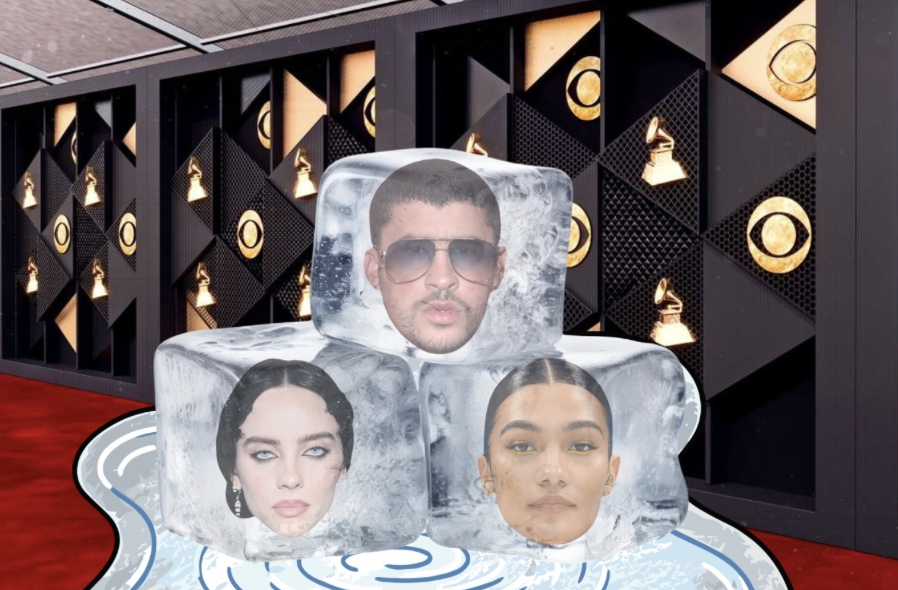
The Grammys are filled with obscene glamour and privilege, but this year, in between the sequins and designer labels, two-inch pins reading “ICE OUT” accompanied the attendees’ designer outfits.
At first glance, they were easy to miss. But as more artists stepped onto the carpet wearing the same message, it became clear it was not only a fashion statement, but a political one. During many of the celebrities’ speeches, instead of just thanking producers and stylists, they also used their time in front of millions to speak out against Immigration and Customs Enforcement (ICE).
Most artists were direct and personal in their messages. Bad Bunny stated “ICE out” during his speech and shared why immigration matters, saying, “We’re not savage, we’re not animals, we’re not aliens. We are humans, and we are Americans.”
This hit home for Summit junior John Freeman, as he explained, “People who are pro-ICE don’t understand that the immigrants are people too, and shouldn’t be treated with violence.”
Another voice came from Billie Eilish, who went further, saying “no one is illegal on stolen land” and urging viewers to continue protesting.
Instead of just discussing ICE malevolence, Olivia Dean took a more personal approach, sharing her family’s immigrant history and explaining why ICE and immigration policy are deeply internal, not just abstract issues.
Clips of the speeches spread online within minutes. Some people praised the artists for speaking up about human rights, while others said an awards show is not the right place for politics. These discussions brought viewers to question whether the speeches were true activism or just a way to build their image.
At Summit, students continued the debate the next morning. In several classes, students discussed whether a speech at a major event counts as a real protest. Some said it didn’t have much of an impact on people’s opinions.
Opposing this view, Summit English teacher Frank Brown said the moment mattered, even if it wasn’t enough by itself.
“I’m sure that the impact was moderate, [but] what[‘s] really going to matter is people showing up to protests, people speaking out, and people writing editorials,” he said.
Summit senior Campbell Thomas agreed, explaining that the industry is built on visibility and influence. Even a short statement can travel farther than a traditional rally or protest.
“It’s a valid form of protest. Fans are likely to trust them as a source, and so it is influential,” stated Thomas.
This disagreement at the Summit reflects a bigger national question: When celebrities speak about politics, are they trying to create change or protect their brand?
In the music industry, image matters. Artists build loyal fan bases not just through their songs, but also through what they stand for. A strong political statement can bring attention and support, but when celebrities are focusing on garnering attention, their intentions become more shallow.
The Grammys are watched by millions around the world. For some young viewers, these speeches may have been their first time hearing about ICE in detail. Several Summit students said they looked up information about the agency after seeing the clips. While others said the speeches made immigration policy feel more real and accessible.
Still, many remained doubtful. They questioned whether a few minutes on stage can influence federal law. Brown pointed out that real policy change usually takes long-term organizing, voting and pressure on lawmakers.
Celebrity activism has a mixed history. Some public statements fade quickly. Others lead to long campaigns and real change. A single speech rarely shifts policy on its own, but it can start conversations.
That tension between protest and promotion is not new. Award shows have long been used to speak about war, civil rights and social justice. The real test is what happens after the spotlight fades.
For some of the artists, speaking out at the Grammys matched things they have said before about immigration and human rights. For others, the moment may have been influenced by public opinion and media attention.
The 2026 Grammys did not change immigration laws overnight. ICE continues to operate, and debates over enforcement continue nationwide.
But for one night, the red carpet was more than a fashion event – it became a stage for political speech.
Whether those speeches were public promotion or meaningful protest may depend on what comes next. If artists continue to speak out and support action beyond the stage, the moment could have lasting meaning. If not, it may be remembered as just another viral awards show clip, but at least it still raises awareness.