


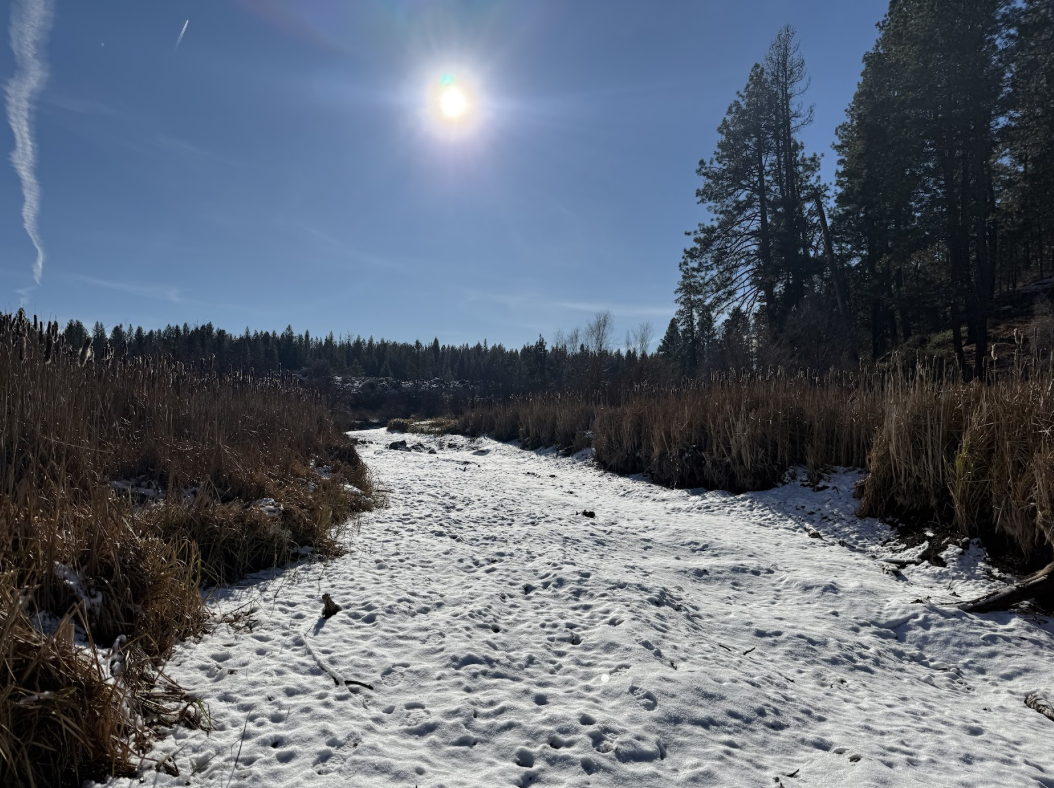
























As most Bend locals have noticed, this year central Oregon has seen very little snow. While the warm weather may be nice, we need snow to bring in the water for the reservoirs and rivers.
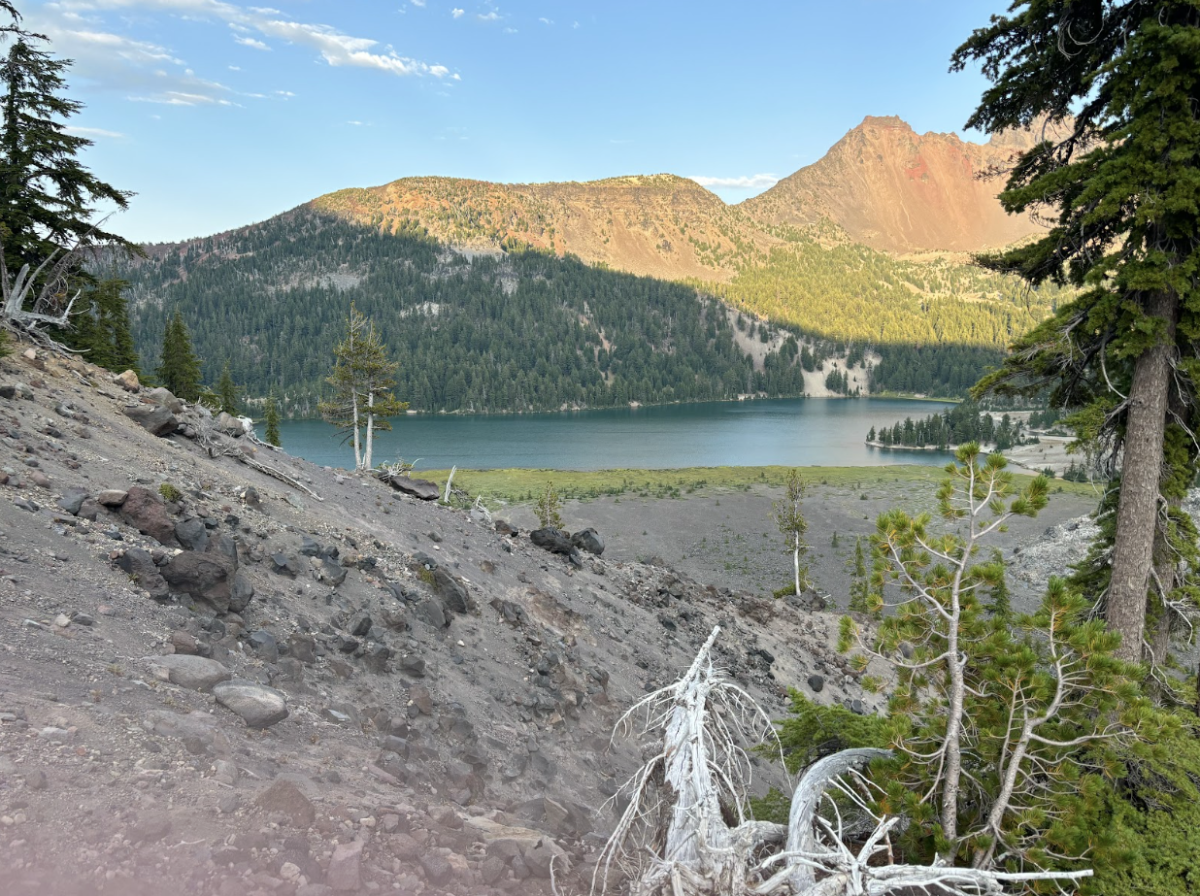
Very close to LaPine is the Wickiup Reservoir which is what starts the Deschutes River through the Wickiup Dam. The dam at the reservoir controls the water flow based on the season. This water is then utilized through irrigation and recreation.
The water levels of the reservoir and flows of the river impact a lot of recreation in central Oregon. Wickiup Reservoir is home to excellent boating waters and great fishing for rainbow and brown trout. The Deschutes River and the Wickiup Reservoir are very popular spots for recreation, but they also house a lot of wildlife. Within both of these waters, there are multiple species of fish and insects. The Upper Deschutes is also home to Central Oregon spotted frogs.
In past years, Wickiup Reservoir has struggled to pump out flows high enough for irrigation late into the summer season. While last year’s snowpack brought large amounts of water to the reservoir, this year it’s not looking as promising.
To put it simply, the Deschutes River is kept at a low flow of around 100 cubic feet per second through late fall and winter. This allows for water and snowpack to accumulate and fill the reservoir for when late spring comes around. The water that comes from Wickiup is very important for irrigation and keeping the river steady through the summer. When the summer arrives, the Upper Deschutes water flows increase to almost 10 times the amount of water during the winter. This water goes to distant stretches of irrigation in areas like Jefferson County, Madras and Culver.
However, when snowpack levels are low, the Wickiup Reservoir has run out of irrigation water early. In past years, the Wickiup Reservoir has been almost emptied by late summer and left to only a live flow, which is when the reservoir has only a small amount of moving water at the bottom. When these flows occur, the Deschutes River has to go into low flows earlier in the season. Low flows too early in the year can be harmful to aquatic life and wildlife around the river, because less water can be heated more easily and warmer waters are damaging to bug life and trout, which thrive in colder waters.
There’s no way to predict exactly what will happen before spring arrives. But currently, the Upper Deschutes-Crooked River Basin has seen only 24% of the snow water equivalent as the median from 1991-2020. Without a big change in snow this season, Wickiup will not have enough water to sustain Deschutes water flows like in past years.
With the current snow water equivalent, Wickiup reservoir will likely reach extremely low levels earlier in summer as usual. This loss of water means the fish and aquatic life in the Wickiup Reservoir lose massive amounts of territory and resources. The Upper Deschutes will also return to a lower flow earlier in the year, which means a shortened prime season for fishermen and a shorter season for the river wave to be at peak flows.
Sophomore student Wilhelm Jamieson said, “It’s pretty tricky in the summer trying to find water around Bend, in the Deschutes, that’s not blown out (higher water flows)…Even when winter comes, it can still be a struggle because it’s quite low.”
When the flow of the Upper Deschutes is extremely low, fish and other wildlife in the river are put in danger. The river loses massive amounts of habitat for not only fish but also the aquatic life they eat to survive. These fish can also be trapped in pools split off from the main river, left to die. Besides the struggles of the fish, the Oregon spotted frogs are also put in danger during low years, which can lead to dried-out breeding wetlands for these frogs.
Most people seem to have never heard of the Oregon spotted frog’s struggles. These frogs should really be talked about more because little parts of the ecosystem and chain dying out can be detrimental to the whole environment.
Junior Phoenix Paige said, “I never really heard about those frogs being in danger, the animals’ lives around us should be talked about more.”
If future years continue like this, we will be in even more danger. With the snow water equivalent being incredibly low so far, the Wickiup Reservoir will struggle with balancing irrigation all summer and summer recreation will be lower quality. More importantly, the wildlife will be put in danger because of lost habitat and aquatic life. Many parts of our ecosystem rely on this reservoir and river. The fish, frogs, and aquatic insects need these waters more than we do. And if the future years of our area continue to struggle like this, the wildlife will be in even more danger than they are today.