
























For many high school athletes, their senior season marks the beginning of the end. The finality of the last buzzer signals the end of a chapter that began in childhood and will end with graduation. But for some athletes, it’s just the beginning of a new era. High school sports will not define their career, but will be the start of a gamble for their future.
As several Summit athletes prepare to continue their sport in college, their journey becomes a reflection of more than just commitment announcements and future teams. Their experiences can be both something that younger athletes will look up to and proof that hard work pays off. As they acknowledge the uncertainty of recruiting and the influence of mentors, family, and the discipline that is required to pursue something elite, they begin to understand what years of rigorous work can lead them to.
Anya Haar
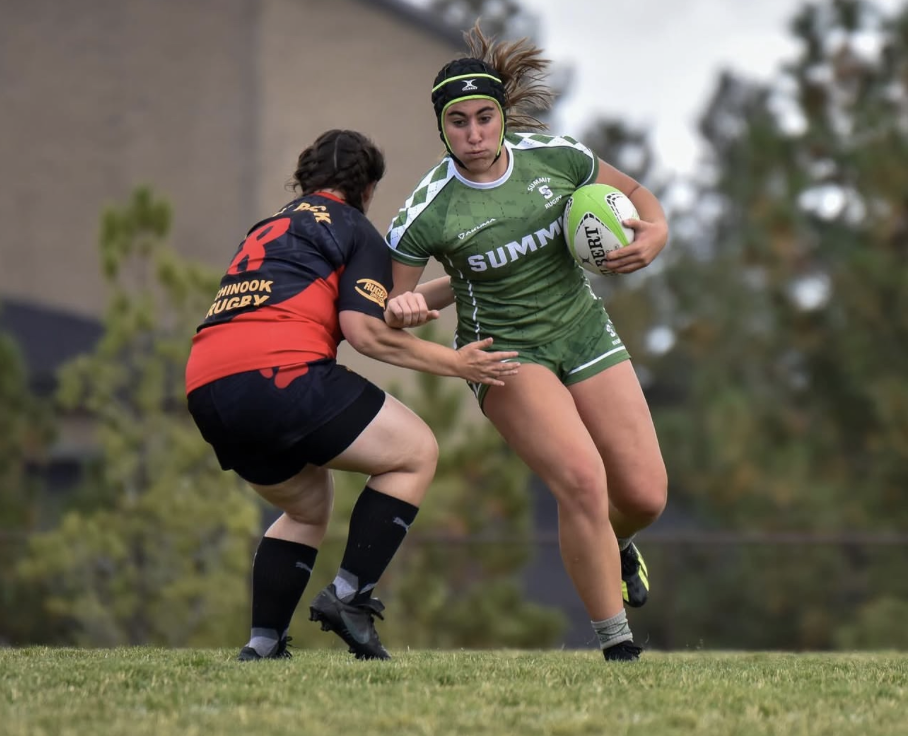
Anya Haar’s path to college athletics came together quickly. She first started playing rugby only a year ago after hearing about the sport from some of her classmates. Starting with no previous knowledge, her expectations were quickly shaped by some of the older players on her team. In particular, Lucy Reynolds, a senior at the time, was someone whose mindset and positivity became a model for what Haar wanted to achieve. After winning state that season, the idea of playing in college first began to feel possible to Haar.
“At the time, I didn’t really think that [playing in college] was an option,” Haar said.
From there, her coach helped guide her through recruiting, from improving her game to exposure at camps, and communicating with college programs. Now that she’s committed to Sacred Heart University, Haar looks forward to competing at a higher level while figuring out the difficult task of being far from home with the certainty of a rigorous training schedule.
Foster Kettering
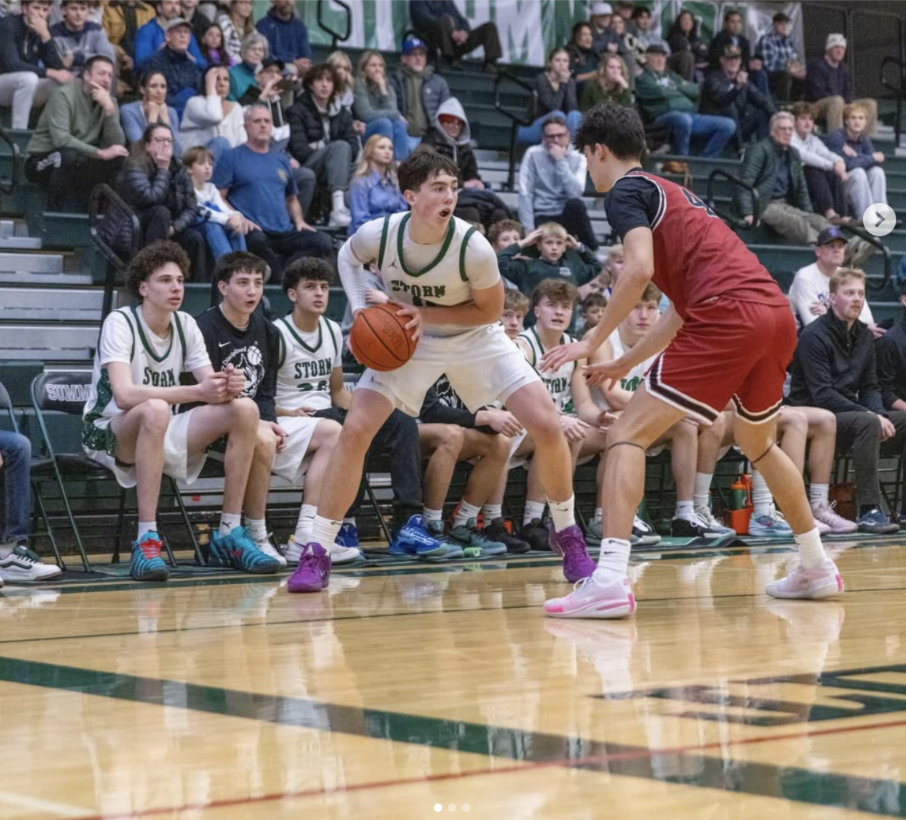
For Foster Kettering, basketball was never something new. He began playing around age three and grew up in a competitive household where sports were a staple. He explained that his older brother played a key role in shaping both his passion for the sport and his drive for success. While he never had a single deciding moment where college basketball became a goal, it developed over time, rooted in the childhood pro athletic dreams a lot of kids share.
“I feel like growing up, you always want to play at the highest level,” Kettering said.
Playing multiple sports early in life helped him avoid burnout and ultimately strengthened his commitment to basketball. One of the biggest challenges in his recruiting process was getting noticed and connecting with coaches while coming from an area like Bend, Oregon, where basketball isn’t as prominent. In the end, he chose Pomona College in Southern California. He hopes everyone remembers the energy of this year’s team and what they brought to and left on the court.
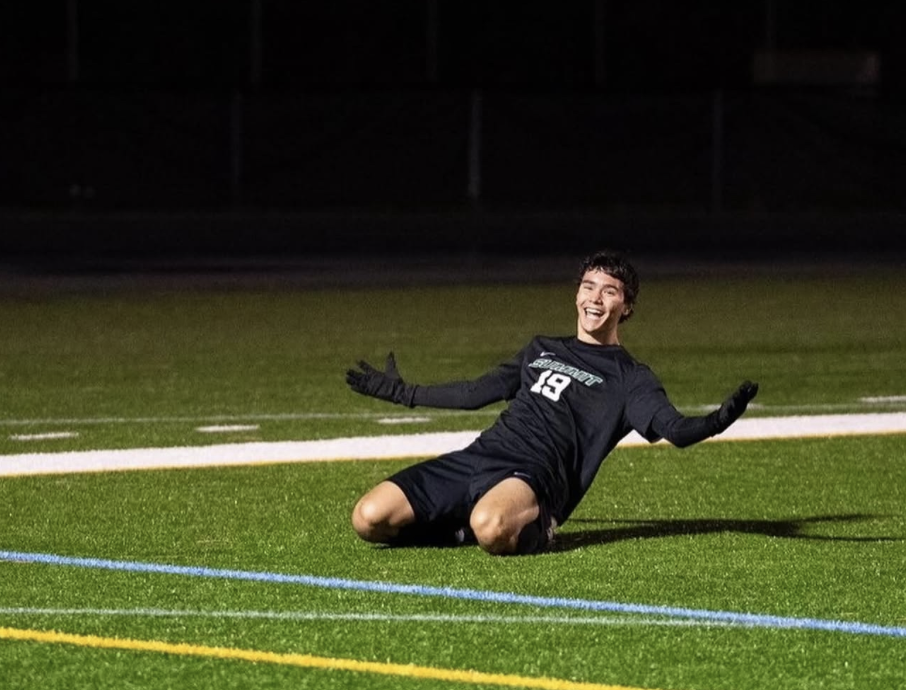
Landon Barlow’s connection to soccer runs just as deep and similarly began with family. Introduced to the sport by his father who also played in college, Barlow said the game quickly became part of his identity.
“I have always loved this sport. It’s become a part of who I am,” said Barlow.
His goal of playing college was always there, even though he experienced both the typical highs and lows of competition. When it came time to choose a school, Barlow said the decision ultimately came down to fit. Despite having multiple options, Linfield stood out because of the relationship he built with the coaching staff as well as the environment of the program.
Cooper Bollom
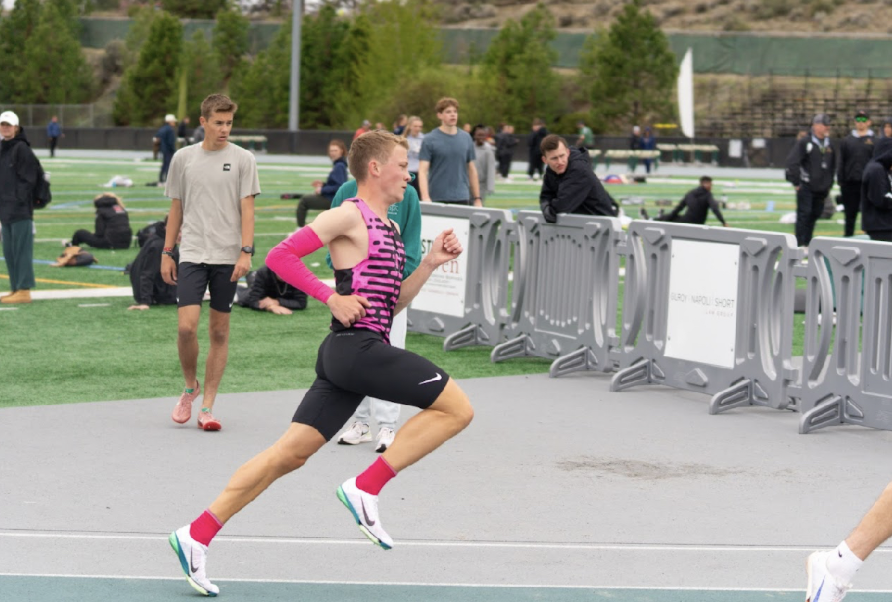
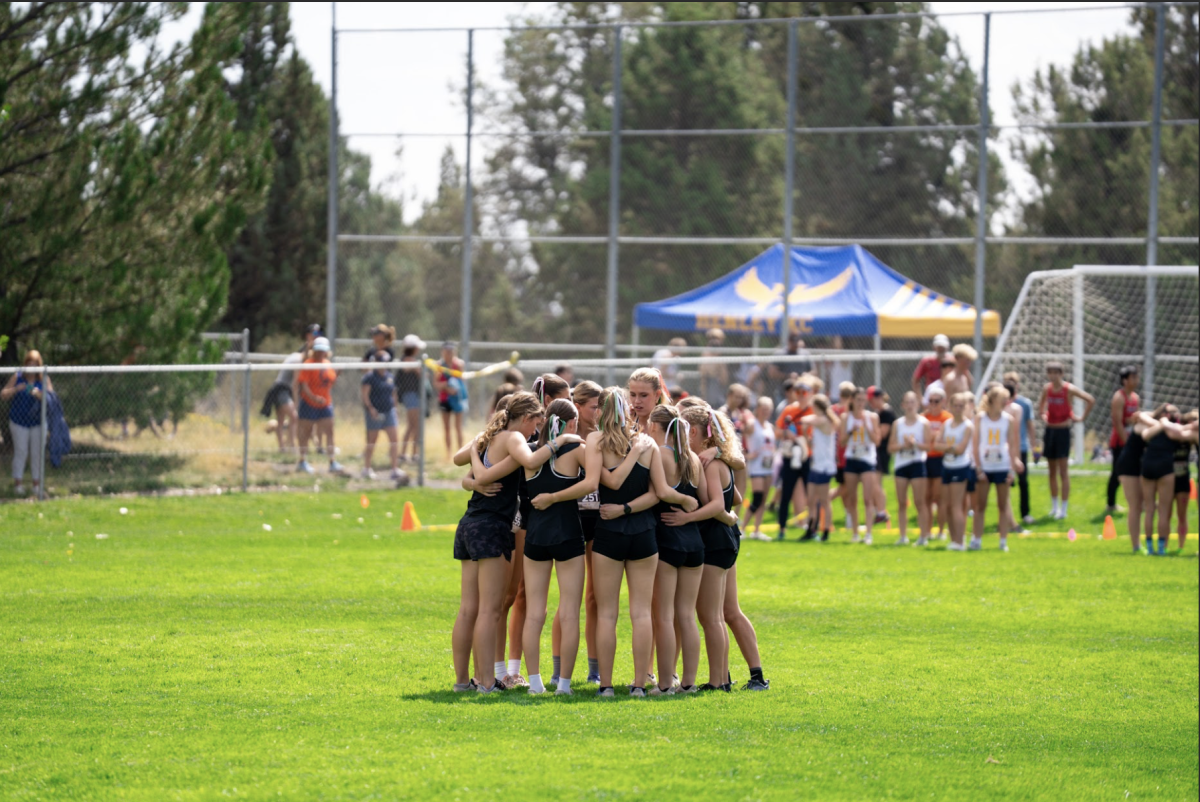
Cooper Bollom’s journey to cross country took a more unique path. He started running in sixth grade as a form of cross-training for lacrosse. He was pushed into it by his parents, and this came with the familiar annoyance and frustration of doing something he had no interest in. It was not until after COVID-19 that running leveled up from torture to a sport he could be serious about. In eighth grade, during the pandemic, he could not play lacrosse and therefore turned to running, where he became fully invested.
Much of his discipline, he said, came from his demanding lacrosse coach, who placed extreme importance on pushing through difficult moments for the sake of the team. That mindset was what helped him build the mental toughness needed to become a runner and later, to get through recruiting. After initially reaching out to colleges and receiving no response, Bolllom persisted until he eventually connected with a coach at Colorado College.
“What stood out was feeling like they actually wanted me there,” Bollom said.
That sense of being valued and welcomed ultimately was the deciding factor in his commitment. Looking back, he says he hopes people understand that progress is rarely straightforward, and that setbacks, whether it be weather, injuries, or difficult races, are all a part of the process.
Adeline Bennett
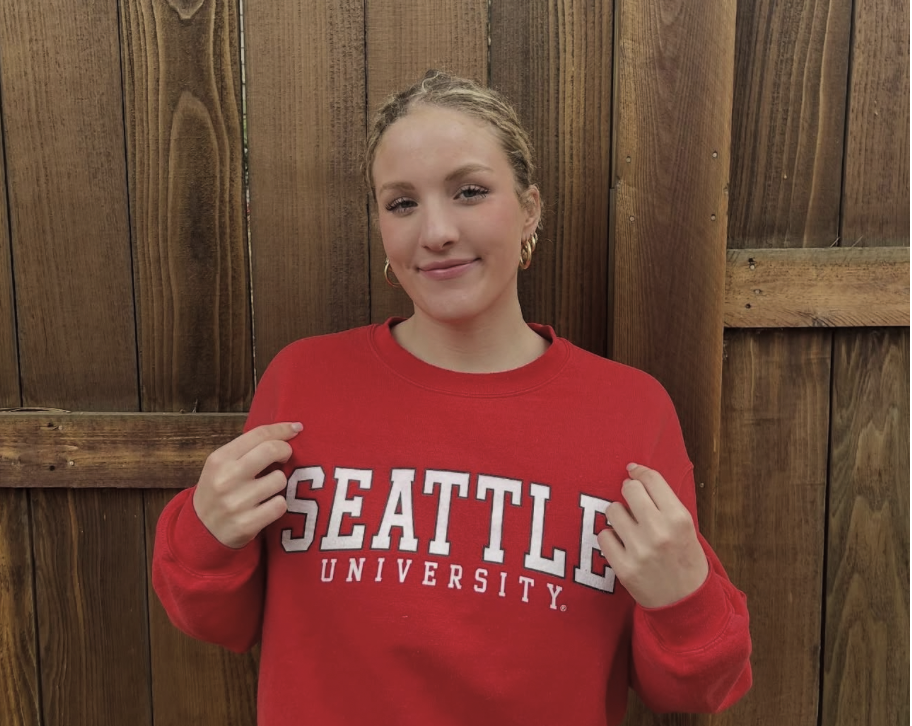
For summit swimmer Adeline Bennett, the path was similarly gradual but no less demanding. She also began swimming at a young age, but chose it as her primary sport around age eight. She was not drawn by one person or thing, but by a natural connection to the water and support from her parents. Over time, her teammates had become her biggest source of inspiration, and by middle school, she was fully committed to showing up every day and trying to get better.
Recruitment is its own animal and brings its own challenges, such as navigating visits, talking to coaches, and figuring out NCAA rules that affect non-revenue sports like swimming. Still, when opportunities began to emerge, Bennett was surprised.
“When coaches started reaching out to me, I didn’t expect that to happen,” Bennett said.
She ultimately chose Seattle University, which felt like the best balance overall, both financially and personally. She is definitely looking forward to living in Seattle while continuing her journey.
Altogether, these athletes’ stories show that there isn’t one path to the next level. Some arrived because of years of steady progression, and others were guided by their families. However, through teammates or coaches who have helped them realize their potential and notice the opportunities available to them, they have all created a path of their own.