





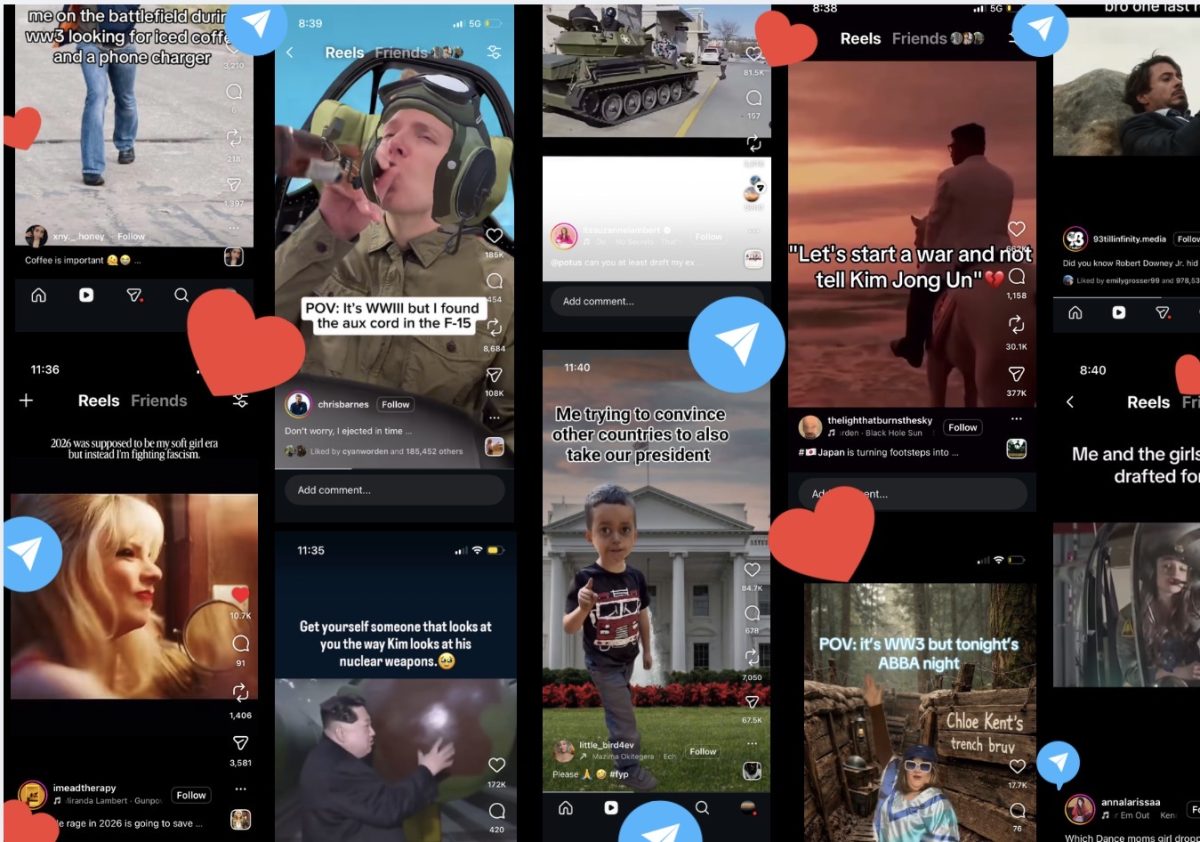

















Our nation is constantly divided. Everyone scrolls through something different, follows different feeds, and the media is filled with different opinions, ideas and information. It can be rare for our entire school to be talking about the same thing. Media is personalized, and opinions are very divided. But once a year, that changes.
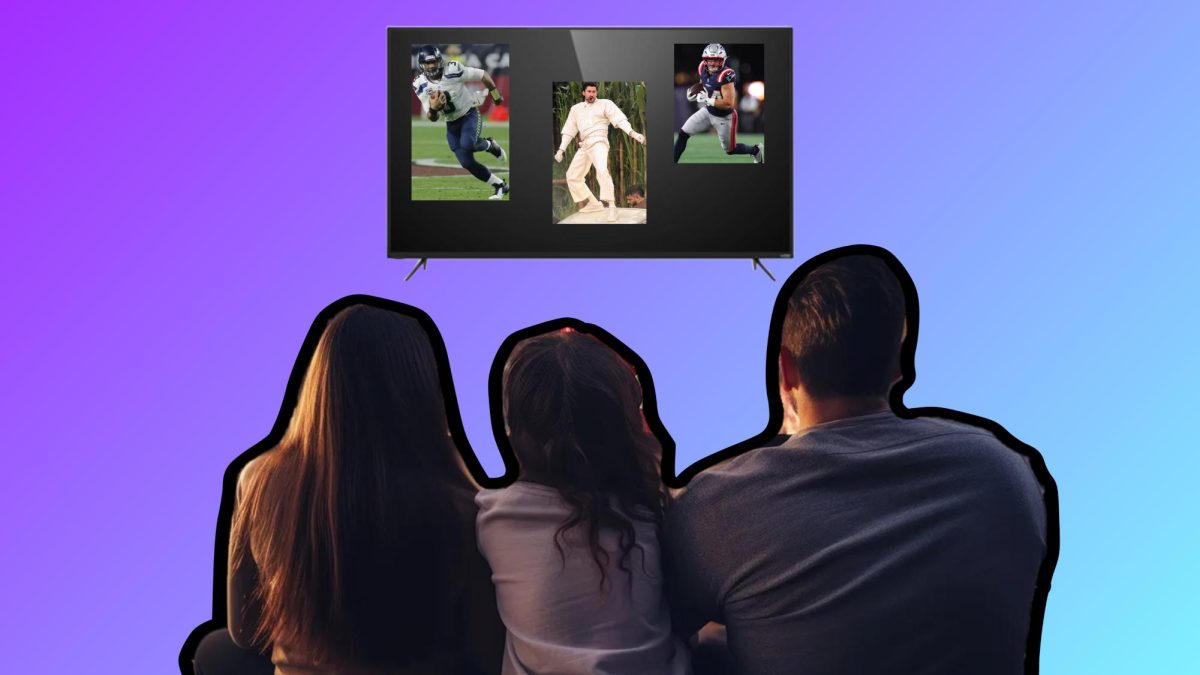
On Super Bowl Sunday, millions of Americans tune in at the exact same time. And at Summit, students who don’t have much in common suddenly share one live experience. Those who love football, hate football, love the celebrity performing, hate the celebrity performing, despise commercials, or delight in commercials, all watch it broadcasted at the same time. It’s one of the few moments left that we can all watch together. It unfolds live. No spoilers or skipping ahead. No matter the reason you watch, you’re a part of the broadcast.
“I watch the Super Bowl every year,” said junior Cade Mackeson. “There’s energy leading up to it and no one wants to miss it.”
The energy is hard to replicate, but similar to New Year’s Eve where everyone pauses and experiences the same countdowns. Before the game, snack aisles are bare. During kickoff, streets are empty. Everyone is in their houses with family and friends, as living rooms glow with the same game, commercials and halftime performance.
“I see all my family and friends come together,” said senior Ella Kerr. “You know everyone’s watching it at the same point as you — I was driving around and no one was on the streets because they were all watching the Super Bowl.”
Beyond the football aspect of it, the event has blossomed into something bigger. Halftime shows spark debate every year. Parties revolve around food and traditions. Monday conversations between students are heard all around the school with students asking, “Did you see that one play?” or “Did you see the half time show?”
“There were so many people who were talking about how they either hated it or loved it,” said sophomore Luna Speros.
These shared experiences add to connection. While these small cultural moments don’t fix national division, they create a common ground. It sparks something we aren’t afraid to talk about, even if we disagree.
“Even though there’s two different teams playing which can be divisive, the Super Bowl is a collection of everyone doing the same thing,” Kerr said. “Despite differing opinions on who should win, the country is still brought together.”
This unity doesn’t erase the national division or solve political polarization, but it does create a common ground which is something that is increasingly difficult to achieve in the United States.
“Although the Super Bowl is slightly different from other holidays since it’s a sporting event and has specific fans, it’s one of those events that unite us,” Mackeson said.
Other nationwide traditions like the Macy’s Thanksgiving Day Parade, Independence Day fireworks, and the New Year’s Eve ball drop all hold the same power. In all these events, families and friends are gathered around, plates of food in front of them, after counting down the days leading up to the celebration. Smiles are spread across the faces of your bookworm sister and basketball-loving dad. Simply participating builds connection.
“Because of all the friends getting together, the Super Bowl feels more like a holiday,” Kerr added. “So for me, it’s not even about the game.”
This year’s half time show performance reminded many about the unity that our country needs.
“I think it’s cool that they were able to represent different cultures that are a part of America,” Kerr mentioned. “Even though I didn’t understand it, the music was still really good.”
Despite differing opinions on the half time show, viewers still enjoyed the Super Bowl. We’re now engaging in the same conversation. We are no longer isolated in separate corners on the internet arguing about different things. It’s all about the game-winning touchdowns, surprising commercials, and performances.
No, the Super Bowl doesn’t fix division or magically align the entire United States’ beliefs. But for a few hours on a Super Bowl Sunday, it serves as a reminder that disagreement should not prevent shared experience. In a time where we are constantly told how different we are (politically, culturally, socially), the Super Bowl quietly shows that we can still gather around the same screen and cheer, debate and laugh.
At Summit, where conversations often stay within familiar bounds it can be rare to find something to relate and cut across grades, friend groups and cliques. But the Monday after the game, athletes, theater kids and math wizards all reference the same things and share a timeline.
“The Super Bowl draws in lots of different crowds,” Kerr says. “It’s not just football fans who watch; It’s also non-football fans.”
In our increasingly divided world, the Super Bowl is more significant than one may realize. So thank you Seahawks and Patriots for reminding Americans that we are more alike than we seem to be this year.