











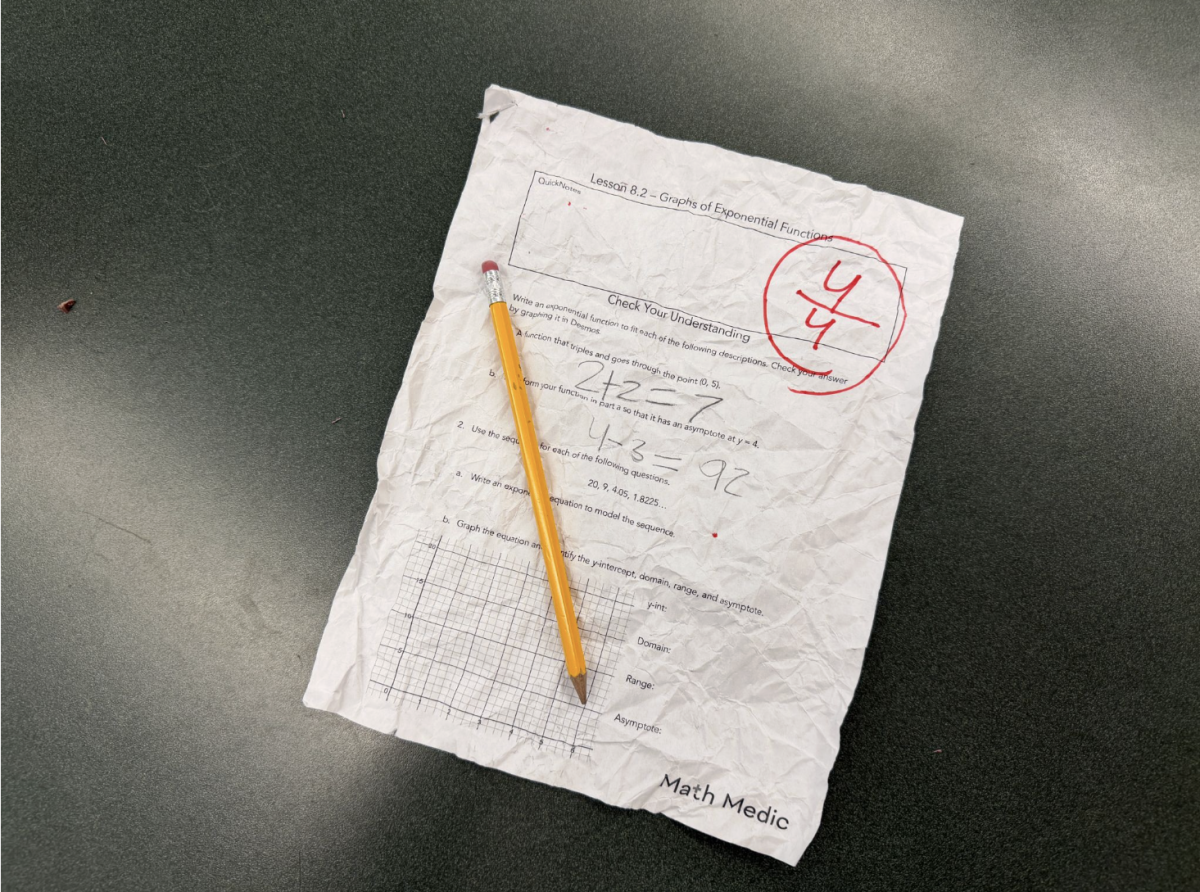















Rows of empty energy drinks and textbooks lie on the desk. It’s 4 a.m. and there are three hours until your test. This educational masochism isn’t something you do for fun; it’s simply a step towards the goal you set for yourself two years ago: valedictorian.
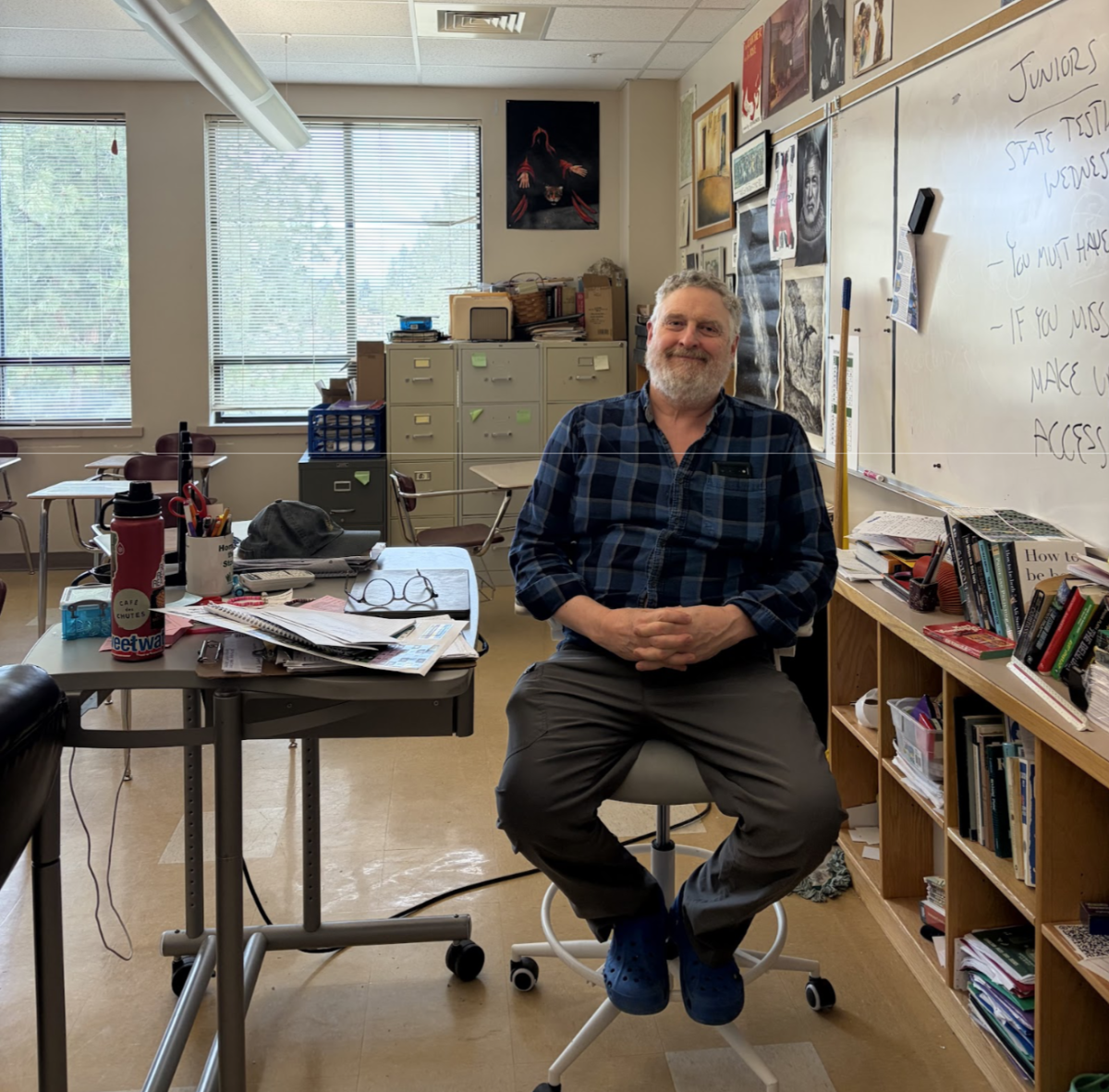
Andrew Winkel didn’t start high school expecting this. He didn’t plan on attending Stanford University, one of the most prestigious universities in the world, and he certainly didn’t anticipate the path that led him there.
Winkel initially pursued valedictorian in hopes of strengthening his college applications. However, at the beginning of senior year when applying to college, he realized that because Summit doesn’t report class rank, valedictorian does not significantly impact college admission. This realization transformed his motivations – now his bid for the title was purely driven by self-imposed obligations and resolve.
“When I first decided to be valedictorian, I thought it mattered,” said Winkel. “[It] was a goal that I thought would bring me some amount of accomplishment – some amount of interior pride.”
Since Winkel was no longer achieving the title solely for college admittance, it was now entirely for himself. This shift in conviction forced him to adapt and change his mindset. Rather than simply telling himself to stay positive, he adopted a much more researched-based approach. He embraced the philosophy of Robert Sapolsky, a Stanford neurobiologist, who argues that essentially everything humans do is a result of biology, upbringing and circumstance rather than free will.
Winkel explains how he applies this philosophy to his own life; “If I’m studying and it’s 4 a.m. and I have an exam in three hours … I say regardless of what happens, I didn’t really have a choice in this,” said Winkel. Viewing his circumstance through this lens allows him to distance himself from the discomfort, and instead focus on the task at hand.
For Winkel, there was no halfway; it became an all-or-nothing pursuit. He could have quit. But instead he chose to reframe the situation and continue to pursue his goals.
Valedictorian wasn’t about being the smartest, but rather the most committed. His success is a direct result of the countless hours he has poured into his academics, not innate talent.
Winkel discussed how this was a common misconception about him, being quick to refute the notion. He mentioned how “the classes are just as hard for [him] as they are for anyone else.” He believes everyone is capable of achieving what he did; “I’m not special. It’s a choice that I made, and I think everyone could make that choice.”
Outside academics, Winkel poured himself into Summit’s Speech & Debate team. He didn’t join because it came naturally to him; he joined because it didn’t. He wanted to confront his anxiety surrounding public speaking head-on, and Speech and Debate was the most effective way to do that.
“I really cannot understate how terrible I was when I first started,” said Winkel. “It was miserable.”
Speech and Debate provided him with ways to process and manage his fear of public speaking. By senior year, he and his teammate Oliver Buchanan placed first in Parliamentary debate at the State tournament.
“I still get super stressed talking in front of people, but I’ve just learned techniques to bypass it,” said Winkel.
Both overcoming his fear of public speaking and achieving valedictorian were about proving something to himself. He committed to this goal two years ago, and felt obligated to fulfill it. Despite the hundreds of painful hours spent studying and the mental toll academics took, as he put it, “[I wanted it] more than the struggle that was causing it.”
Through his challenges and perseverance, we get a glimpse of Winkel’s worldview; that if a hard or daunting thing cannot be changed, the way it is perceived can be. Whether motivating himself through Sapolsky’s ideologies or managing the stress of competition, Winkel repeatedly reframed obstacles rather than avoiding them.
His greatest strength, then, isn’t academic, but rather his ability to reframe challenges. That perspective, forged after countless 4 a.m. study sessions, carried him to the title he had spent years pursuing. Yet it also provided him with clarity to look back honestly at what the achievement cost.
“I sold my soul for that,” he said. “Not worth it.”


Amber Winkel • Jun 7, 2026 at 9:56 am
Great article LUCY D❣️What does it mean to put your heart and soul into something??? Its like building a sandcastle on the beach. If we look at it strictly by the end result—the empty, wet sand where the castle used to be—it feels like a loss. But if you loved the feeling of the sand in your hands, the focus of shaping the towers, and the quiet joy of studying how to build it better, then the waves didn’t actually take everything away. They just took the physical shell.
The worth wasn’t waiting for you at the finish line; it was happening the entire time you were building. Think of it like reading a fantastic book. You know from page one that the book will end, and eventually, it goes back on the shelf. We read for how the story makes us feel while we’re in it.
Studying, creating, and learning are exactly like that. The wave always comes—whether it’s a change in circumstances, a goal that turns out to be different than we pictured, or just the passage of time. But the growth, the focus, and the moments of genuine engagement you experienced while building? The tide can’t wash those out. They become a part of who you are.
So yes, it was absolutely worth it. The joy was in the doing. We enjoyed watching you do what you love. And we are so excited for all graduates starting your next chapters.
W gratitude Winkel’s parents