









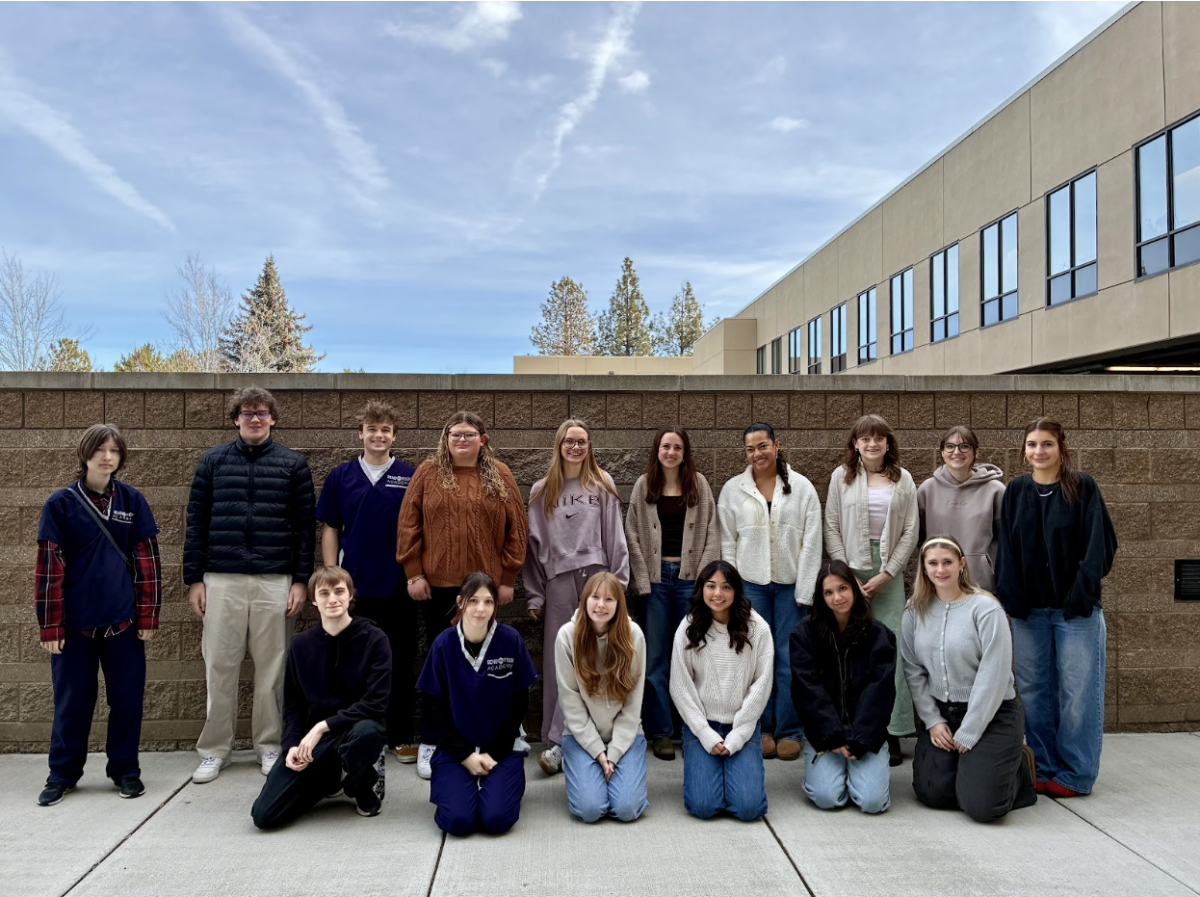





From early December to late February, every Tuesday morning, a group of Summit students arrived at St. Charles — not for an injury but for an opportunity. Dressed in scrubs, they navigated the hospital halls, hoping not to get lost in an unfamiliar environment. Shadowing different departments and professionals at the hospital, students learned more about what it means to be a healthcare professional.
Coordinated by Cascade East Area Health Education Center (CEAHEC), an organization that supports areas with rural health care challenges across Central and Southern Oregon, the Health Occupations Program gives high school students opportunities to explore health care careers.
In December, students started the program with an introductory meeting and tour before shadowing a different hospital floor and department every Tuesday for the next eight weeks. Students spent time in the ICU, nursing floors, the medical diagnostics unit, family birthing, pharmacy and more, many witnessing procedures such as colonoscopies, biopsies and c-sections as well as overall patient care.
As students draft their plans after high school, many find themselves unsure what direction they will go in. For those who are interested in medicine, it can be extremely difficult to gain experience in a hospital setting as there are so many privacy and protection rules and regulations, prohibiting students from being involved in these spaces. The Health Occupations Program provides students with the opportunity to learn in settings they wouldn’t otherwise have access to.
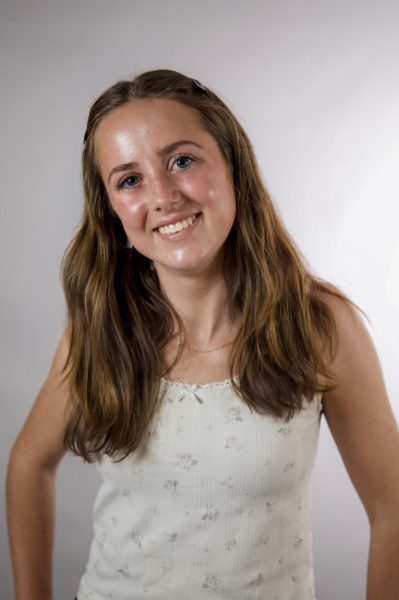
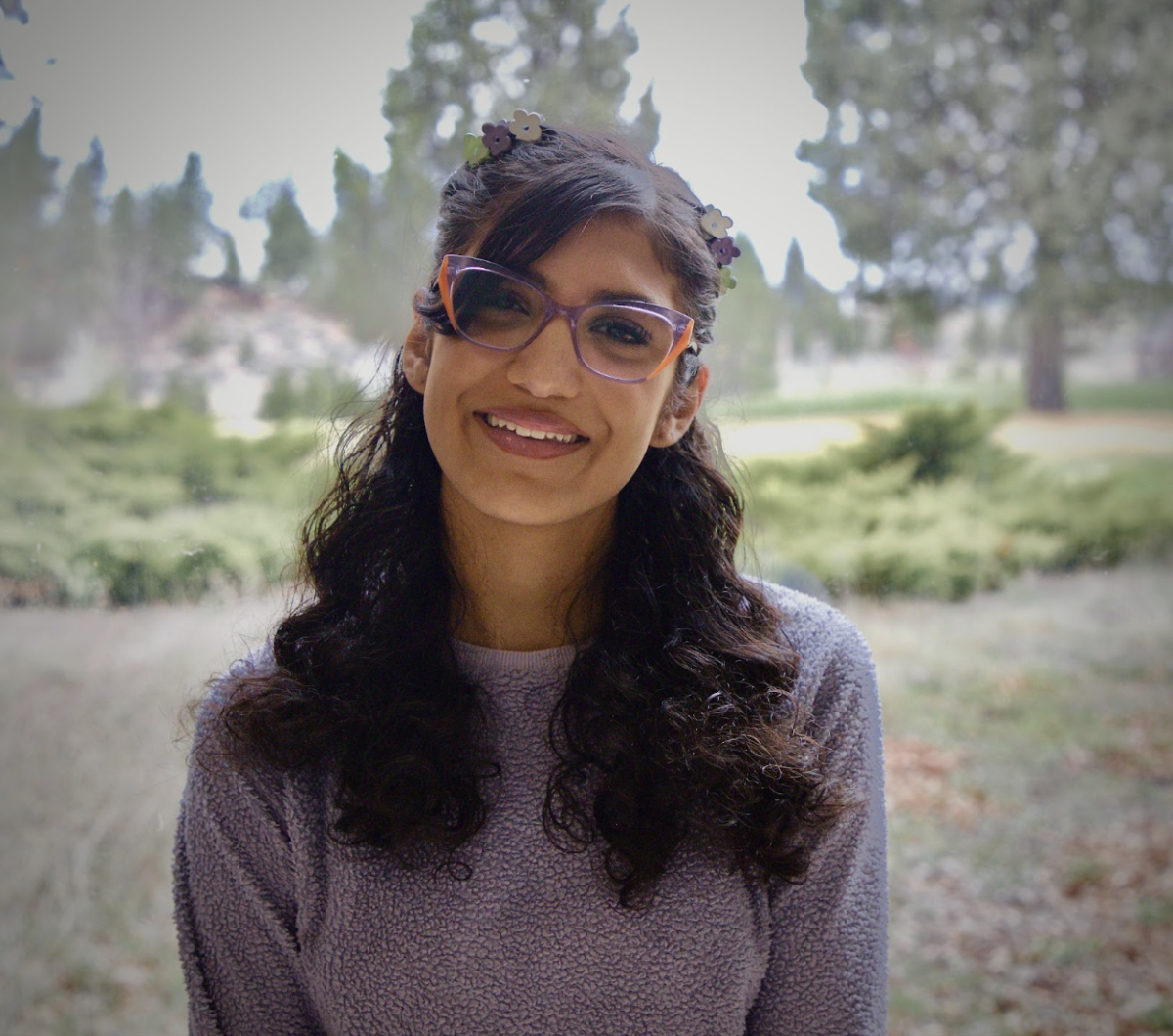
Senior Sierra Foss knew she wanted to pursue a career in medicine and, following her participation in the program, has now been able to more confidently chart her future in this field of work.
“I wanted to work in the emergency room and then as an EMT, but I realized that I actually wanted to go more into the EMT route and become a paramedic,” said Foss.
With the help of in-person experience, students in the program were able to better understand their own comfort levels.
“[The program] taught me a lot about what I can handle,” said Foss. “People will tell you stories, and you’re, like, ‘Okay, whatever, that’s cool,’ but once you see it in person, it can completely change your perspective. The in-person hands-on stuff is [a great learning opportunity].”
Currently, this program is only open to seniors, with applications opening up in around November. While this program is run through the Future Center, it is not an actual Summit class, which requires participating students to miss their first hour and a half of school every Tuesday.
For some students, this was a deterrent to the program as they found themselves unable to miss ten mornings of school. However, for others, it was worth it.
“I feel like it’s definitely worth missing class for because it is only [ten] weeks, and it’s only a little portion of a class,” said Foss. “[When] I told teachers that I was doing something at St. Charles, and they were very much like ‘Yeah, do it.’”
Bend High, Caldera and Mountain View all have medicine-focused classes such as biotechnology, sports medicine and health occupations electives that students can forecast for. In these courses, students learn medical terminology and develop hands-on professional skills that support future careers in healthcare. For students at these schools, this is how they access this rotations program. Unfortunately, Summit does not currently offer in-class opportunities like other Bend La-Pine high schools.
“I think a lot of students want to go into medicine, and I think [having a class offered at Summit] would be a really good basic building block,” said Makena Filo, a senior who was a part of the Heath Rotations Program.
Without this class, Summit students have had reduced exposure to healthcare careers compared to other Bend high schools. However, this limited access doesn’t stop students from searching for other ways to gain medical experience.
In the class’s absence, some Summit students have been part of a medical program at Bend Tech Academy (BTA) where they have received hands-on training, completed certifications and participated in even more job shadowing opportunities.
“The experience helped with kickstarting the process for [my] future,” said senior Evelyn Liew, who is a part of the BTA class and completed the rotation program at St. Charles.
This is the first year that this BTA class has been open to Summit students. As a result, the class is a combination of juniors and seniors, with only a handful of seniors being enrolled.
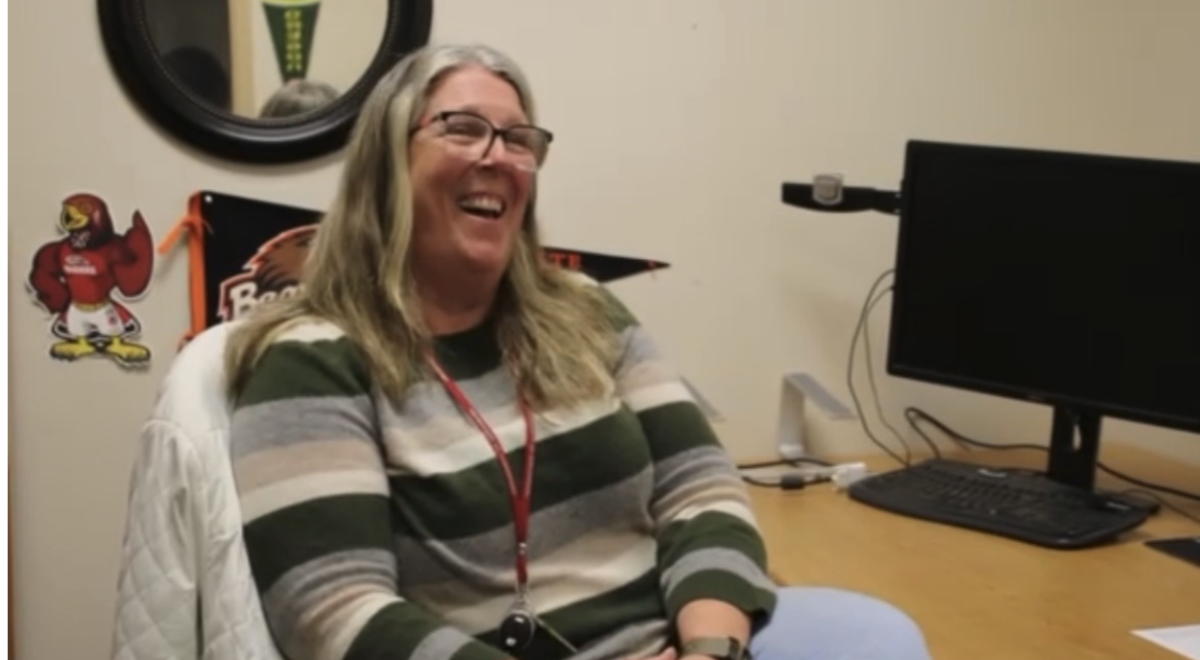
“We were able to open up [the remaining 15 spots for St. Charles] to the Future Center so that as many people as possible could get an opportunity,” said Theresa Quade, who runs Summit’s Future Center.
However, next year, the juniors will move up filling the seniors’ places in the program, meaning that, in the future, only students part of the BTA class — which, moving forward, they must start junior year — will be eligible for these spots at St. Charles. This will cause a program, with already low access, to no longer be available to many students.
As the healthcare landscape is constantly changing, it is critical that students have the opportunity for early exposure in the medical field. While programs like the Health Occupations Program and the course at BTA offer increased access for students, Summit currently has many gaps in its curriculum, putting the school at risk of falling behind.