






























You should care about your education. Not what classes you think you need to take to fill out your resume perfectly, get into college, and make a ton of money; but the classes that pique your interest and make you feel engaged.
Doing this enriches your life, helps you enjoy and gather more from your classes, and ultimately prepares you better for your future.
This isn’t to say that it’s easy, but it’s a goal that’s worth working towards. As a student — especially at Summit, it seems — the pressure to do everything right and check all of the boxes is immense. Everyone is in a multitude of AP classes, all “A” students, varsity athletes, volunteering and working jobs. While I value these activities and participate in them myself, they don’t leave much time to explore or learn in a meaningful way.
It’s not one person’s fault. When pressures to succeed and check every box are put on students, they often take the easy way out, as it feels like the only option. Teachers then sense that they need to adjust: less rigor, lower expectations, easier classwork, full credit for completion, and ignoring copied classwork, leaving students even less engaged and able to slip by doing below the bare minimum. Instead, what we need is a mutual give and take between students and educators that ebbs and flows, one that cultivates genuine interest and enthusiasm for learning.
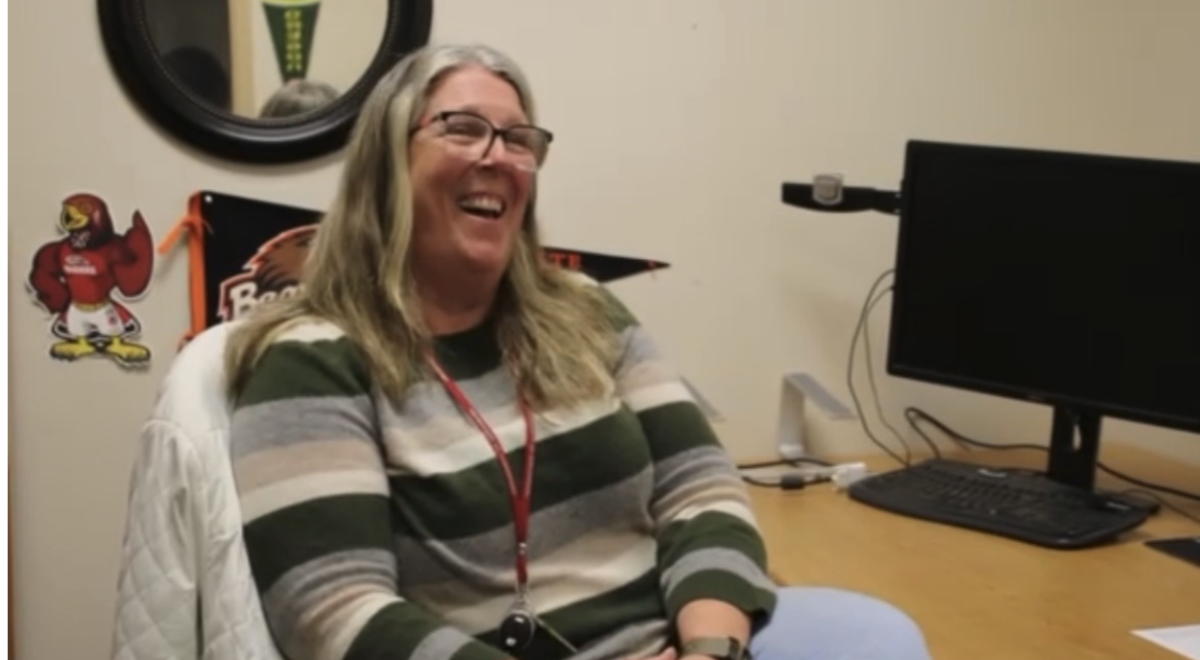
Frank Brown, a Summit teacher generally characterized as strict and demanding, explains that his grading has actually gotten less rigorous and extreme.
“I think that most teachers are playing the same game that the students are,” said Brown, who teaches Lit and Comp 1 honors and Lit and Comp 3. “Some of it is the nature of the teacher, some of it is simply the pressure of the situation. I have become a much easier teacher as time has gone by because it’s too hard to be a hard teacher.”
Playing the game entails buying into the expectations, taking AP classes, doing the bare minimum for a GPA boost and packing your extracurriculars full of causes you don’t genuinely care about.
It’s easy to play the game in the modern era; the pressure is on. So much value is put on name-brand, elite schools; in fact, rates of acceptance at idealized, prestigious colleges have dropped. According to Common App reports, “more selective institutions… decreased from 23% in 2014–15 to 18% in 2020–21.” High-paying jobs and overall life success seem impossible without the perfect application. The pressure makes sense. Parents, teachers, and students know that cost of living is increasing at a quicker pace than wages are rising. According to Urban Institute, in 2026, 49% of people are living in families below the true cost of economic security (TCES) threshold.
Now, because all of this pressure is felt by students, it’s easy to think that once you stop worrying about your exact grades and how to optimize your classes it could negatively impact your future. This frantic and specific box checking could actually be hurting you. According to The U.S. Department of Education, these high stakes and demanding high school years have the potential to “take the joy out of learning, undermine mental health, and leave teens less prepared to make the most of their college years.”
The humanities and art teachers that I love being in class with and learning from, give feedback, make me think, and make me prove I’ve read the material and thought about it. The STEM teachers that I love, approach learning as a process, they understand that science and math are learned differently by different people and they’re willing to help. Most importantly, the shared commonality is that they’re enthusiastic about discussing the material, and they typically allow students to come to their own answers and conclusions while still providing guidance.
It’s true that teachers who “bring the classroom to life” effectively see increased student engagement and achievement. In fact, a Gallup survey of Gen Zers, stated that “students who are more engaged in the classroom are significantly more likely to feel prepared for and optimistic about their futures.”
Once students are engaged by passionate teachers, their desire to learn despite the content is sparked, it also directly benefits their futures. It’s a win-win situation.
But, in our world, what you’re more likely to hear is to take a class because it’s an “easy A,” or the teacher “doesn’t care?” And, consider the inverse: How many times have you been told to take a class because it’s interesting, the material is engaging, or the teacher cares about what they’re teaching? The credit shouldn’t matter more than what you take away from it, but the format of modern schooling and other cultural norms demand it be treated that way. If an “A” is valued above what you’re truly gaining from the class, obviously you’re going to take the class that ensures you a higher grade.
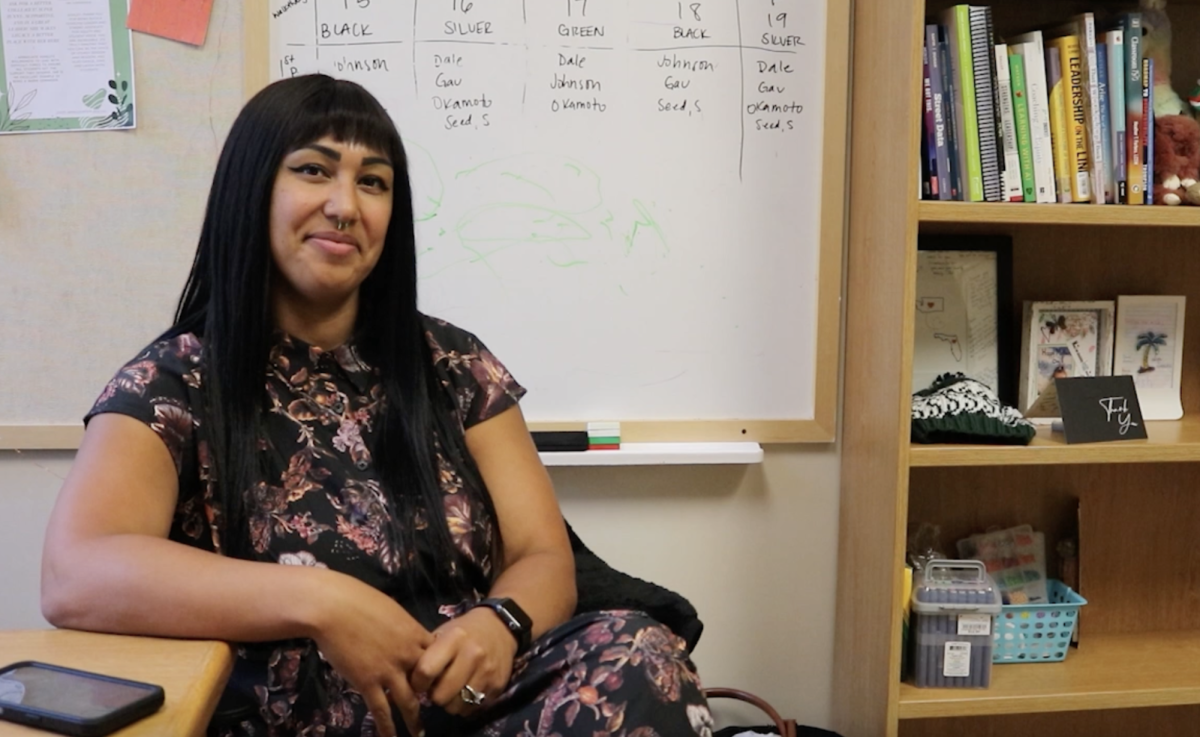
“Our culture is changing, but I don’t think our culture has changed or will change anymore towards that of just box checking. We’re there. right?” Said U.S. History and AP Government Teacher Patrick Kilty. “We [find] a large percentage of actions and activities by kids just to simply get stuff done, as opposed to learning for themselves and getting something out of the class other than the grade.”
On top of this, AP classes aren’t a higher-level opportunity to further your understanding. Instead, the culture at Summit, high schools in general, and even colleges often makes it feel like a 4.00 isn’t good enough anymore. Instead, AP classes give your GPA that much-needed boost—they’re mandatory for a competitive college application.
Mr. Brown, for one, agrees.
“AP classes used to be a place where you could be assured of a fairly large number of people who really wanted to learn and and it came to be more and more people who wanted the weighted grade,” said Brown.
I’m a victim of this myself. My parents have always encouraged me to pursue classes I have genuine interest in. I’ve done so to the best of my ability, but the constant input of needing an “A” is discouraging. I don’t excel at math in the same way a “STEM brained” student does, yet I still find it interesting. Taking higher level math classes is intimidating and has been daunting because it feels like if I can’t get an “A” I shouldn’t even bother. Personally, I want my education to be treated as a chance to learn and explore. I want feedback, I want to be critiqued, I want my classes to be difficult enough that I have the chance to get things wrong and change them. If students don’t have access to these new ideas and challenges, how will they get better? If I or any other student who isn’t seen as naturally predisposed to the STEM subjects is discouraged from taking high level courses out of the fear of getting anything other than an “A,” how can we effectively explore different aspects of education?
This isn’t a criticism of teachers themselves, in fact it’s clear to me that individual teachers are doing what they can to avoid the frustrations I’ve listed. but individual effort without support from the school system is a big ask. I have individual teachers encourage me and go out of their way to help me. It’s more a question of why these things are happening culturally and school system wide and how an individual can attempt to change it for themselves. Balancing genuine, intrinsic interest and motivation with fear of failing or the fear of getting below an “A” is a difficult task. If the school culture won’t change, it falls on the student to try for themselves.
I know it’s a difficult task to say just learn to learn, especially since that’s not what most students have been fed their entire lives, and I know that different students have different values and aspects of their lives hold different importance. While these things are true, it’s important to consider what is going to enrich your life and ask yourself why you’re taking the classes you take and how you treat those classes. Asking yourself these questions and taking actions to take full advantage of your learning won’t just lead you to feeling fulfilled, but it can help you in the future. The internal reward from truly applying yourself in the classroom is worth it. If you care, and the culture isn’t going to change overnight, why not do what you can to improve your education?