












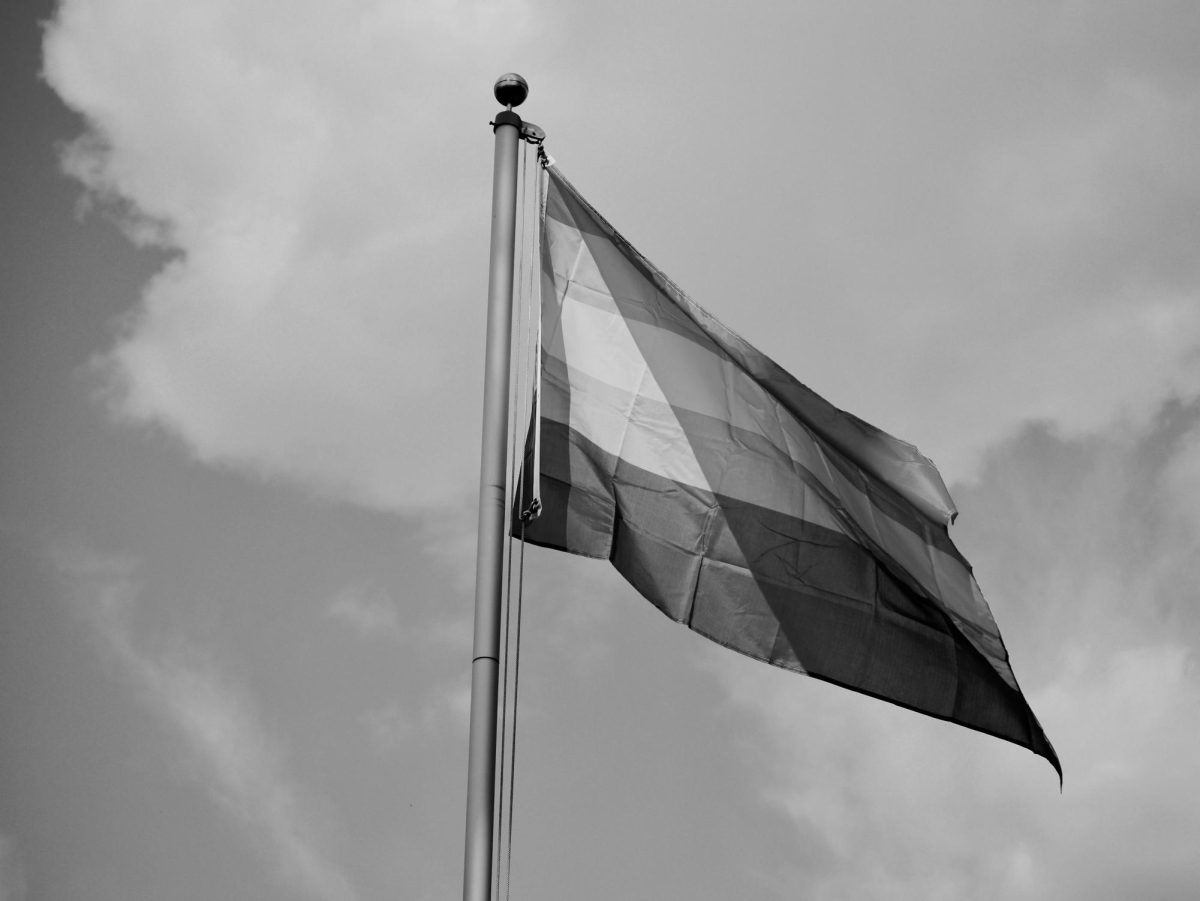
Editor’s Note: This article discusses homophobia, bullying and mental health. If you or someone you know is struggling, help is available. For LGBTQ+ crisis prevention, call, email or text The Trevor Project, or dial 988 to be connected with the Suicide Crisis Lifeline. You are not alone.
They pitched Summit as a place where all were welcome. “Our House,” they called it. But it wasn’t my house. It was the house of the football players and if I ever came close to the entrance of E hall — E hell, in my eyes, it was clear that it was not my house.
People don’t really know what it means to be gay. Gay, I hate that word. This label has drawn slurs, hatred and the ability to be kicked out of church. It has allowed me to be judged, viewed as something less than human, and worst of all, forced me to hold a secret that people could quite literally want me dead for. As soon as I learned that it applied to me, I was wrapped up in a blanket of insecurity.
But people never understand. Instead, they sit back and say it’s a choice, a trend or an illness instead of a genuine biological attraction. One time, a close family member actually told me that being gay was a chemical imbalance, as if it was something to be put in the psych ward for. To me, it’s worse than any slur I can think of. I hate the word gay, but to some people, it’s just my name.
It was never a choice. It wasn’t a product of the way I was raised, nor the people I surrounded myself with. I didn’t even have many friends in elementary school, because they knew. Growing up, the signs were there for all but me. From gay uncles asking my own mother when I was 3 years old to loving the color pink and wearing fairy wings to birthday parties, I was gay before I could form a full sentence.
I guess if I’m going into detail about the signs, I could also say that I owned a dress at 7 years old. I loved it, goddamnit. It was a great dress and I looked amazing in it. But I only wore it to take my puppy out to pee at night because that was weird and men don’t wear dresses, so it was only a dress-up thing.
I always knew I was different, even before I knew why. My school had one of those buddy benches, the one you sit on when you don’t have a friend so everyone knows and comes to adopt you. I sat on that stupid bench every day and only once did someone approach me, and we only had one minute left of recess. Character building, I guess you could call it.
When about eighth grade rolled around, people began joking that I was gay (god, I hate that word). Sometimes it was direct, but other times it was just the side eye that, for some reason, affected me way more than the average idiot in middle school.
I entered high school. Even in a jungle of diversity, students were still forced to conform to ever-changing social norms that were impossible to follow, especially for me.
Just keep your head up, people would say. But holding my head high allowed me to see the judgment. Each night, the boy in the mirror looked back. The eyes his mother always called so pretty were stained red, the once perfect skin now burst with painful acne volcanoes, scarring him for life. “Why?” he would ask. “What did I do to deserve this?”
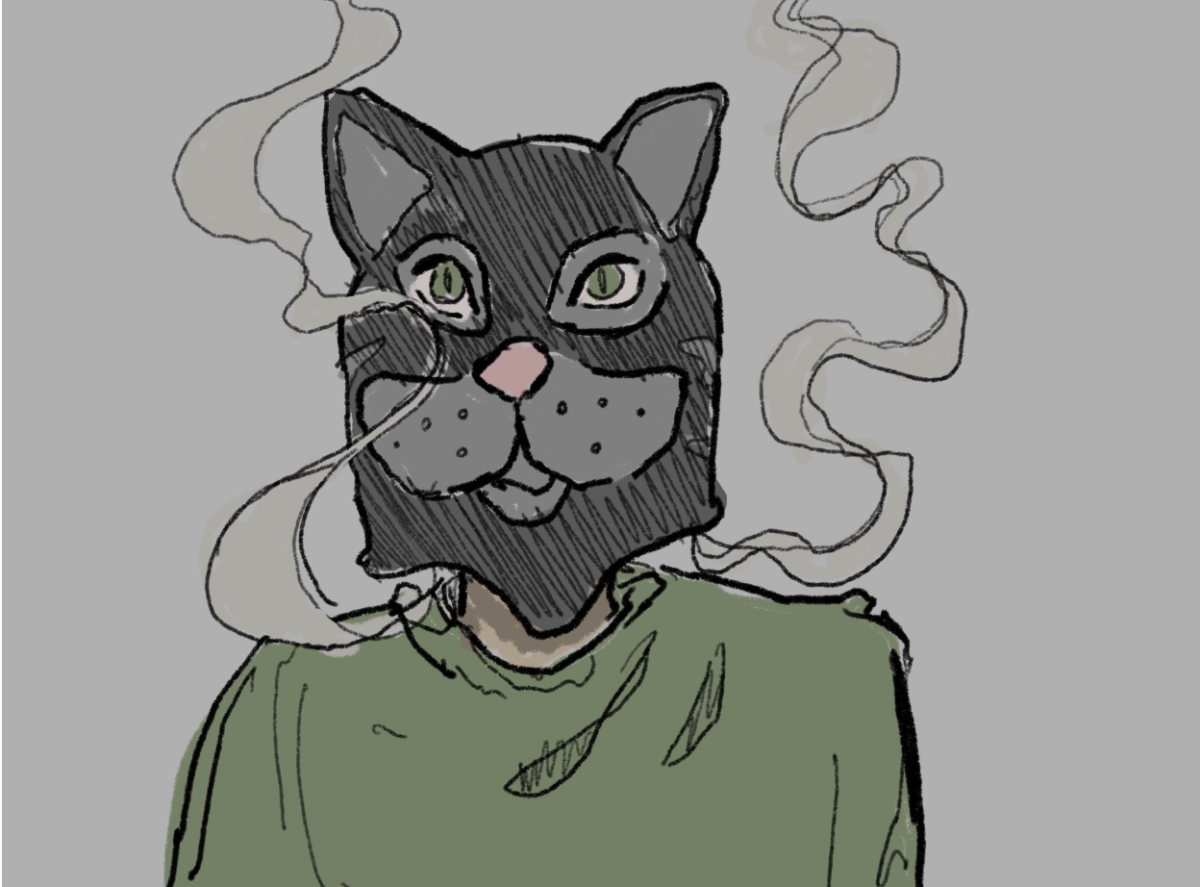
But the next day, that same boy in the mirror would get up and put on a mask and make his way to school, in denial.
Sophomore year, I started to realize that I was not who I thought I was. The evidence was getting so much clearer. I thought about my future, not with a woman, but with a man. I even had my first dream about a man. But as my confidence grew, the judgment did too. The mornings getting up and out of bed seemed harder, the stares from others became stronger. I even remember the time I was walking through the halls and a group of boys yelled, “Move along…” you know the word… It was the first time someone had called me that word. It dug so deep. It said, “You are not human, you have no strength, you are a mistake.”
And what did the admin do? The ones right next to those boys? The three teachers? Nothing. Absolutely nothing. But did I go and get help? No, I didn’t, because I still wasn’t sure who I was and asking for help would assign a label to me, something I wasn’t ready for.
For lunch, I’d meet with my friend, a straight man. But because everybody assumed I was gay before I actually told them, we were viewed as a couple. So I had a hard time even being around my best friend. I felt so isolated. Again, the question repeated: Why am I this way, and what did I do to deserve this?
As soon as senior year hit, things fully changed. I had more friends than ever before. Better yet, I became open about my sexuality. But for a lot of people, this is not a reality. Now, everybody knows, besides a specific group of people who can’t, and probably never will. They’re the reason why this article is published anonymously.
I really don’t know how to describe the feeling of liking the same sex to somebody who refuses to believe that it exists. Just like you know you are straight, I know that I am gay. We aren’t actually different from you. We are humans too.
Around the school, there are people who are starting the same long walk I have taken. The stares from others penetrate their skin and the person they are at heart gets covered up, shoved into a body that is just trying to take it day by day. These kids, whom we claim to support, feel neglected and alone, just like I did. In Bend, a place that seems so open to everyone, Summit draws a shadow, turning everything black and white.
This is a sobering reality for certain individuals, not just at Summit, but around the world. This monologue was my reality before I learned self-acceptance. I am thriving now, but I write this in a voice and a tone that was once my monologue. If it hurts to read, the message is being delivered. For students who are struggling with the same thing I battled for years, please know, you are not the first and unfortunately, not the last to deal with this. But it will get better.
My advice is to be you, be true and keep your head held high. Look the hate in the eyes, stare it down. If you see a smirk, like I still do sometimes, confront it. Look at it or even talk to it. You are human. You are yourself. Don’t let society pull your roots and try to plant you in the wrong garden. You can’t grow in the wrong soil.