


























A single actress presents herself to a crowd seated in Summit’s auditorium. She’s dressed as a fashionable rich girl, giving off an air of authority and popularity making her almost seem like royalty in the crowd’s eyes. Four more actors join her on stage, and all of sudden, Summit Theatre Company’s production of “Mean Girls” comes to life.
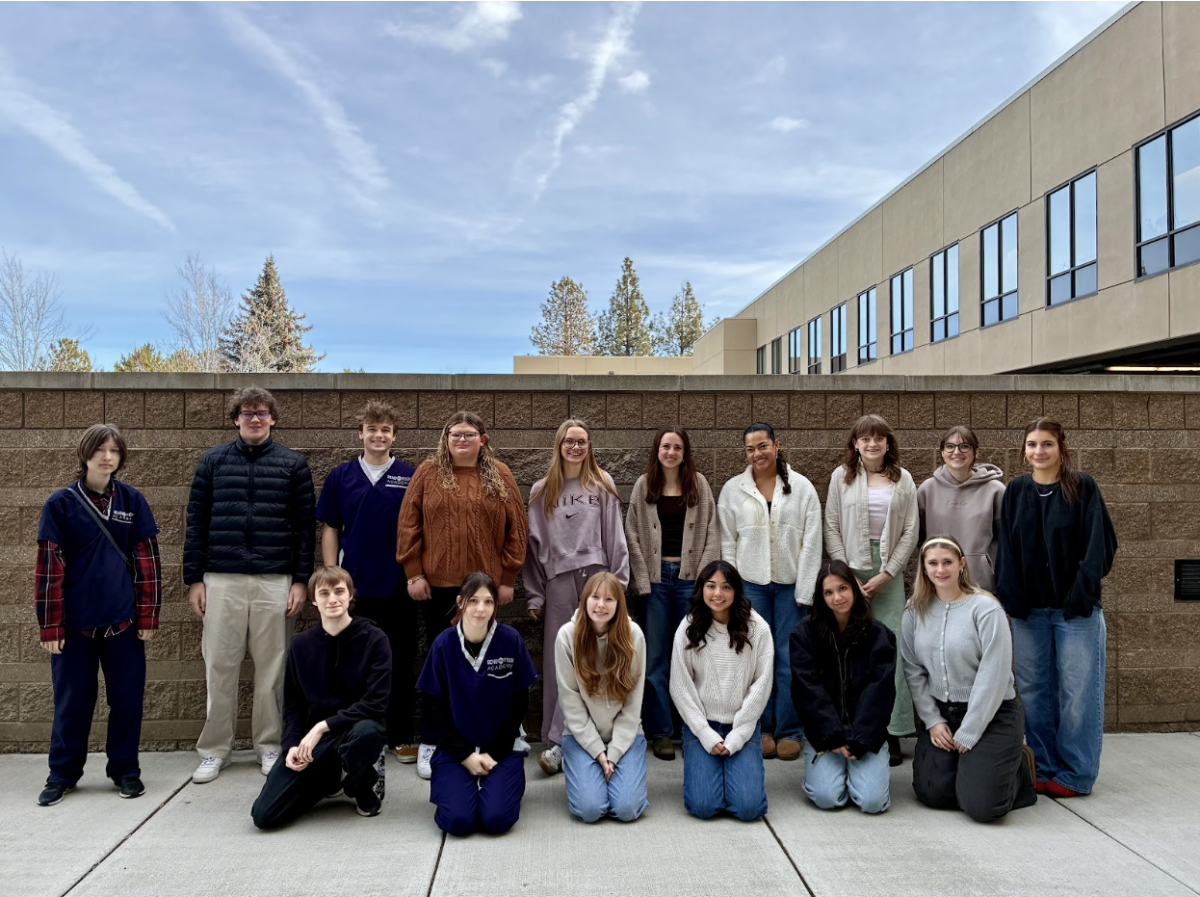
The show simply bursts fourth, becoming something so real, so smooth, so perfectly authentic the audience can’t help but wonder what made it this way. The crowd probably praises the actors and their characters, but in reality, the magic of the show rides on the 40 members of the crew never seen on stage and a whole musical cast hiding out in the pit. The crowd in all its excitement doesn’t catch that every movement by the actors is followed by a seamless flow of spotlights, and is carried out by a stage manager’s 300 lighting commands; that each breath from the characters, the beautiful ballad they just sang, is captured by audio engineers and sound controllers, amplifying the actors’ voices to every row of the auditorium. Not many people notice that every move of the dancers’ feet is led by a large band’s perfect notes humming through the audience. Very few recognize that the hair, the makeup, that insanely gorgeous top Regina George was wearing, were crafted and perfected by the artists of theater. They don’t seem too phased by the detailed backdrops made by countless set builders or how hard these individuals worked to make each scene feel authentic.
Summit’s stage crew is the life blood of the theater, yet very little of the audience knows the details of their roles. They are the invisible hand that conducts every flawless aspect of the show, the force that makes that movie magic aspect that Summit’s theater program is known for.
Summit junior Nora Spitznagel is a stage manager and a veteran of Summit Theatre Company. She explained that stage managing is no small task.
“Stage managing is doing everything that Oko [Summit’s theater teacher] doesn’t have time to do,” she said.
Stage managing is a lot more than one might think, including a whopping 60 rehearsal reports, which are compilation of notes for the director about every audition, along with 300 lighting commands and continuous stage crew directions in order to ensure that actors are set up to be as successful as possible.
Despite these enormous tasks, there is very little credit given to stage managers or the masses of people that direct during the performance. Summit junior Isaiah Palmer, a sound director, describes stage crew as “a thankless job, a very thankless job,” where going unnoticed by the crowd is a sign of a high-performing stage crew. It’s a job where one’s mistakes are their only recognition from the viewers.
“[The audience only] recognizes what goes wrong. If something goes wrong and they notice what happened, [and] that’s the only time we see the audience actually recognizing the tech and crew,” Palmer said.
Palmer and the rest of the crew manage tasks throughout the entirety of the production.
“I was the run crew for [the production of] “Rumors” back in the day, and during intermission, I would set up drinks, clear plates, put furniture back to where it needed to be,” Palmer explained.
“There’s not a moment in time where people back here aren’t doing something. If they’re not doing something, then they’re doing something wrong,” Spitznagel added, reinforcing the idea that everyone working together seamlessly and efficiently is very important to the success of a show.
Along with larger tasks, there are hundreds of specific skills that have to be perfected by the crew, including hair, makeup, choreography, set-building, curtain maintenance, proper fly rail usage and a number of call-outs and responses that have to be memorized by the entire group for safety.
One call-and-response is Oko’s classic test for her upperclassman students, where she calls “Projector screen flying out downstage” which our experts, showing off their experience and training, respond immediately with a simultaneous, “Thank you, projector screen flying out downstage.” This alone goes to show the months of preparation from students and commitment to a safe backstage environment. Spitznagel noted “safety is our number one rule.”
In addition to this impressive main backstage crew, there’s live music which accompanies the entire production and their time spent is well worth an appreciable mention.
Sawyer Dailey, a senior and member of the Summit pit crew, describes how, despite coming into the show months after the stage crew has begun preparations, the work is never complete without the music.
“When you come in, there’s some adjusting, but it’s really fun, because you get to be that final step between the acting and the music, and then it all comes together,” he said.
The pit crew is a hard working team ranging from five to 30 members, depending on the show. Pit crew members find the work difficult but enjoyable.
“It’s long hours but tons of incredible music under your fingers to memorize and play,” Dailey explained, highlighting the band’s enjoyment of learning new music for the shows and the hard work that goes into music memorization.
“[It was] exhausting but super fun and the practices were long from 4:30 to 10 at night,” said senior Riley Weisgerber, the pit crew’s double bass player. More than this, the group’s music has always made Summit’s shows unique; other high schools in the district do not have live music for shows, illustrating how important our “hidden” crews are.
Without each and every part of the crew, including the actors, no show would exist, yet most people never recognize the invisible ones. Maybe at your next show, cherish that soothing pit crew music or take note of the brilliantly crafted backdrops. Maybe you’ll recognize the lights of Summit’s auditorium or give a wave to the stage manager when they walk by. So next time when you give that standing ovation, scream and clap not only for the actors, but for the people who created the magical experience of the show itself.