




















Tucked away in a small classroom in lower B Hall sits the Life Skills Program. It is a place for high school aged students with disabilities to learn skills to help them through the challenging world around them. Though many Summit students have heard of the program, there is a general lack of understanding about it. What is it? And, how does it help our students?
You have probably seen an aspect of the program, whether it’s through seeing kids in the halls, hearing about it through friends or even being a mentor for the program. It’s something that we’ve heard of but aren’t quite informed about. Their mission is to provide students with access to the community.
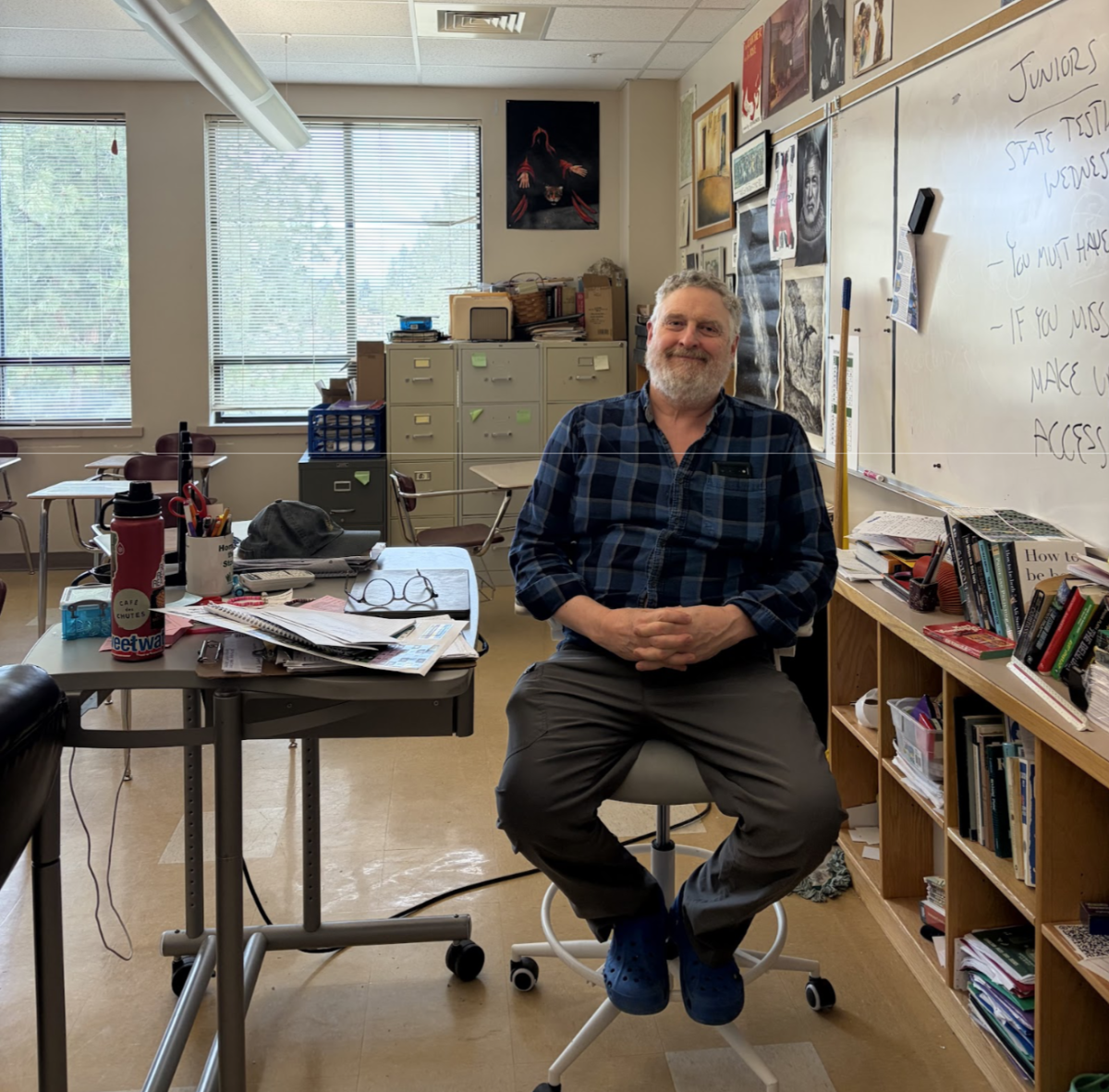
Henry Rogers, the leader of the Life Skills Program at Summit has been in the special education area for a while now, previously working at Sprague High School in Salem. However, this is his first year with Summit’s program.
The program structures itself around the students. No student is on the same routine as there are many unique, individual needs of students. Rogers stressed this and explained, “some of our students are learning how to take turns and read street signs while others are learning money and math so they can go into the community and purchase things.”
But entering the Life Skills Program has special requirements. Rogers stated that students have to be on what is known as an extended diploma.
“An extended diploma means that you don’t get the typical credits, and focuses more on elective programs and more skill based classes,” Rogers explained.
The program also relies on other factors such as disability severity. To qualify, students have to go through evaluations to determine if they can succeed in general education. If not, they are placed in Life Skills.
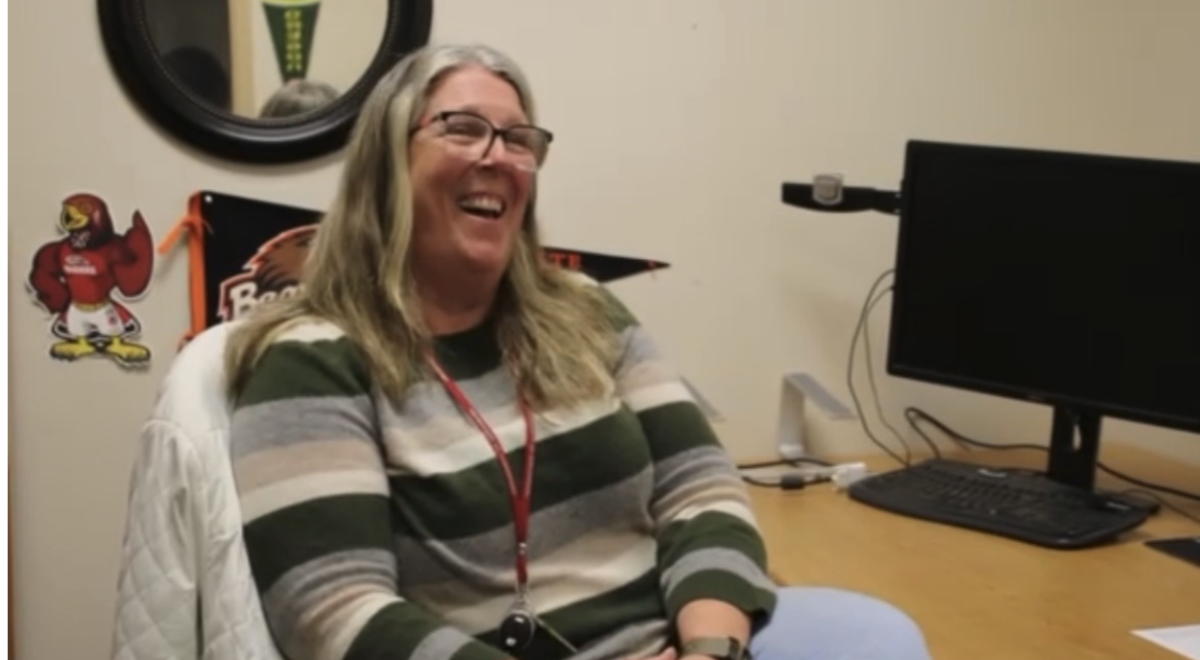
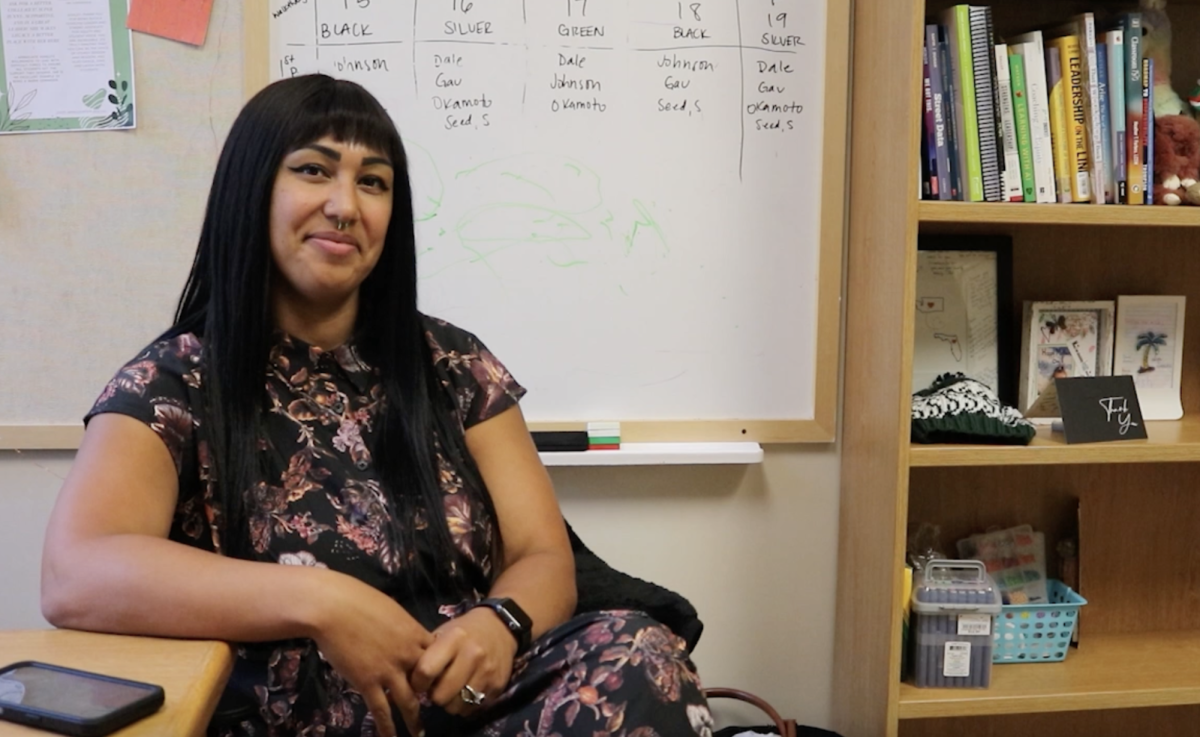
Kris Rotge has been working as an Educational Assistant (EA) for the past four years at Summit. Inspired by her Grandpa, who couldn’t watch students be institutionalized so he made a program where students could learn and develop skills and more importantly, learn they have a purpose, Rotge has followed in his footsteps.
“I really appreciate that the Summit students and teachers take time to acknowledge our students. The interaction in a school environment helps when they are out in the real world,” Rotge explained.
This school year, students in the Life Skills Program have been working on a variety of tasks on a day to day basis.
“We have a student who is working in the school coffee shop, learning food service basics and job skills,” said Rotge. “Other students are learning the steps in doing laundry and doing the dishes. We also do some cooking, learning kitchen safety and following recipes. On top of that, we also learn physical activity like bike riding and swimming in hopes to teach them how to live a healthy lifestyle.”
Getting involved with the program is something that Summit students can also do. If you feel compelled to help the program, there are a few ways you can participate.
- Sign up as a Life Skills Mentor with your counselor. You will assist with day to day activities such as bike riding, in classroom tasks and anything the program may need.
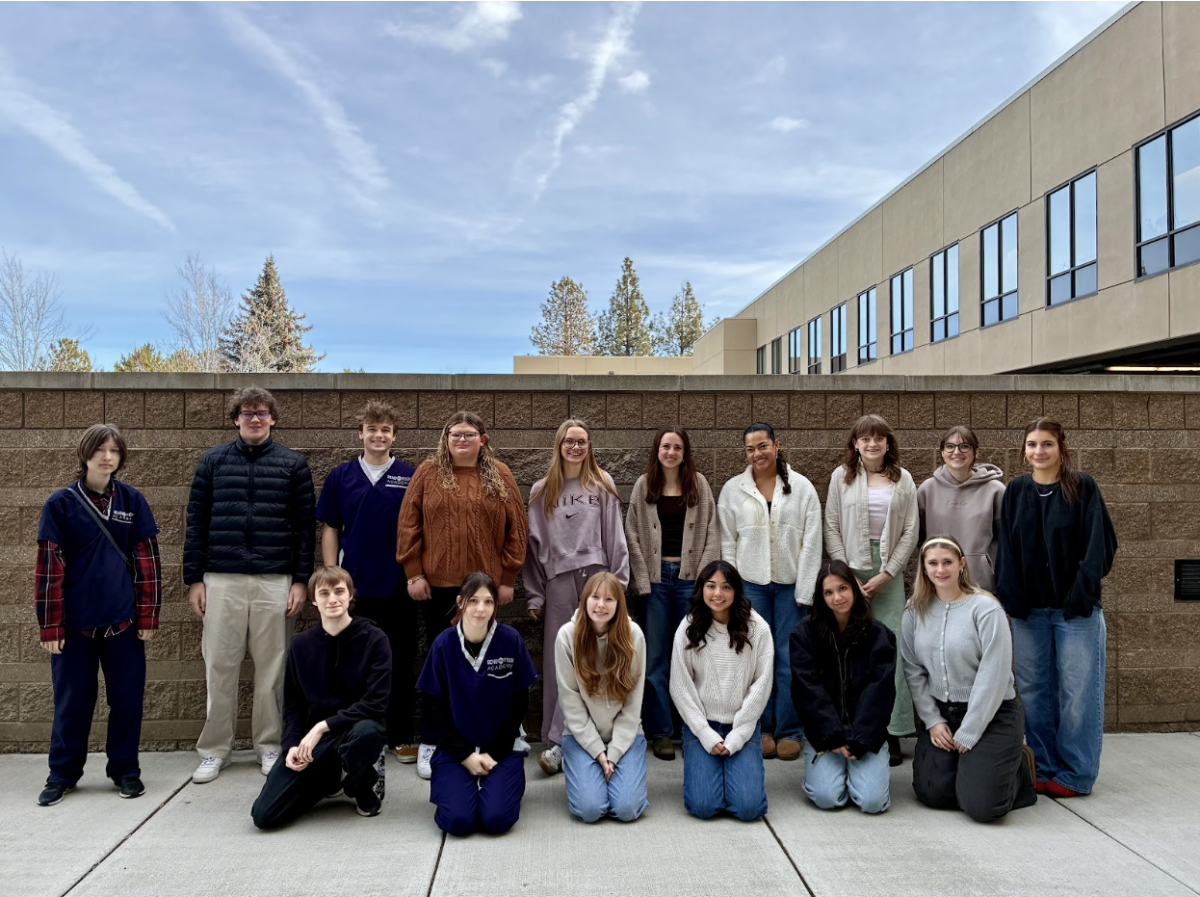
- Join the Fun For All club. Summit senior Ashlyn Rotge (Kris’s daughter) helps facilitate the club. Each year, Fun For All organizes a prom for students in the Life Skills Program.
“We use family friendly music that everybody knows, such as ‘Party in the USA’ and this year, Chick-Fil-A donated $1,000 worth of chicken to our prom. We also have quiet zones and lots of different activities,” Ashlyn said. “It’s a huge hit, parents have actually teared up seeing their kids so happy. We open the prom to all of Bend-La Pine Schools. I even have a student who calls me ‘Ms. Prom’ because he had so much fun last year.”
Anyone is welcome to get involved with Fun For All. You don’t have to be committed to volunteer at the prom. If you want to join the club, it meets every other Tuesday in A211.
But if you can’t do these steps, it’s crucial you follow this basic rule:
“First, we must always refer to them as students first. Terms like ‘SPED kid’ are considered offensive,” reminded Rogers.
The Life Skills Program is so important to Summit’s community. It’s crucial that students are familiar with it so they can help create a welcoming environment for the students. Next time you see a student who is a part of the Life Skills Program, don’t ignore them. Wave, smile or say ‘hi.’ It makes them feel welcome. We are all human, so do your part to make someone feel welcome.