


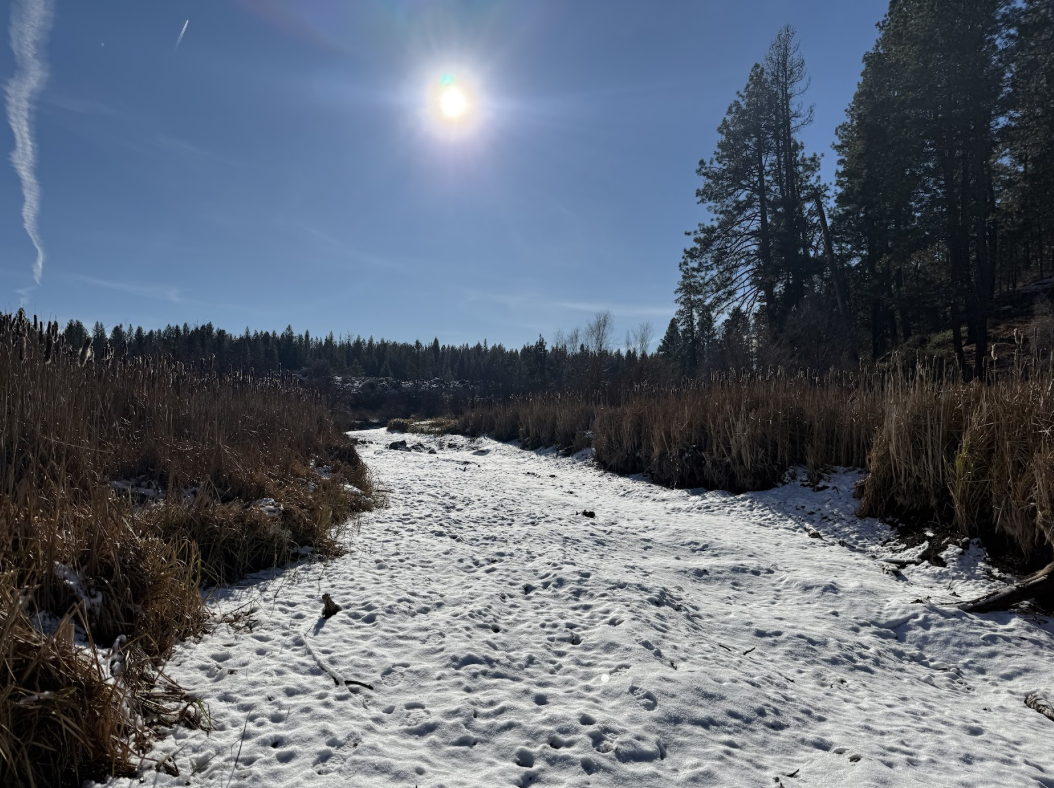



















There’s a big difference between those who quit fly fishing in the winter and those who don’t. Some put the rods away and spend their winter tying flies, researching their spring trips and daydreaming of that vacation — fly fishing in Belize. But for those who wade through snow, cast through iced out guides and wear two pairs of socks under their boots — the season is not over. Staying and fighting through this cold struggle is what can make a good flyfisherman, excellent.
Here in Bend, we have many rivers for fishing and some water that stays open year round. However, before getting into where to fish this winter, it’s important to cover what gear is needed for winter days out on the water.
With freezing cold temperatures, waders with extra layers under them are key to staying out and getting a good session in on the river. Thick wool socks and long John’s are also perfect under layers. As for jackets, wear layers like you would for a day of skiing. Finally, do not forget gloves, you don’t want your hands to be too cold to even tie on.
Besides the countless layers necessary to not freeze, the actual act of fly fishing in the winter changes too. As water temperatures begin to lower below the ideal temperatures for trout, the trout begin to hug the bottom of the river in slower pockets.
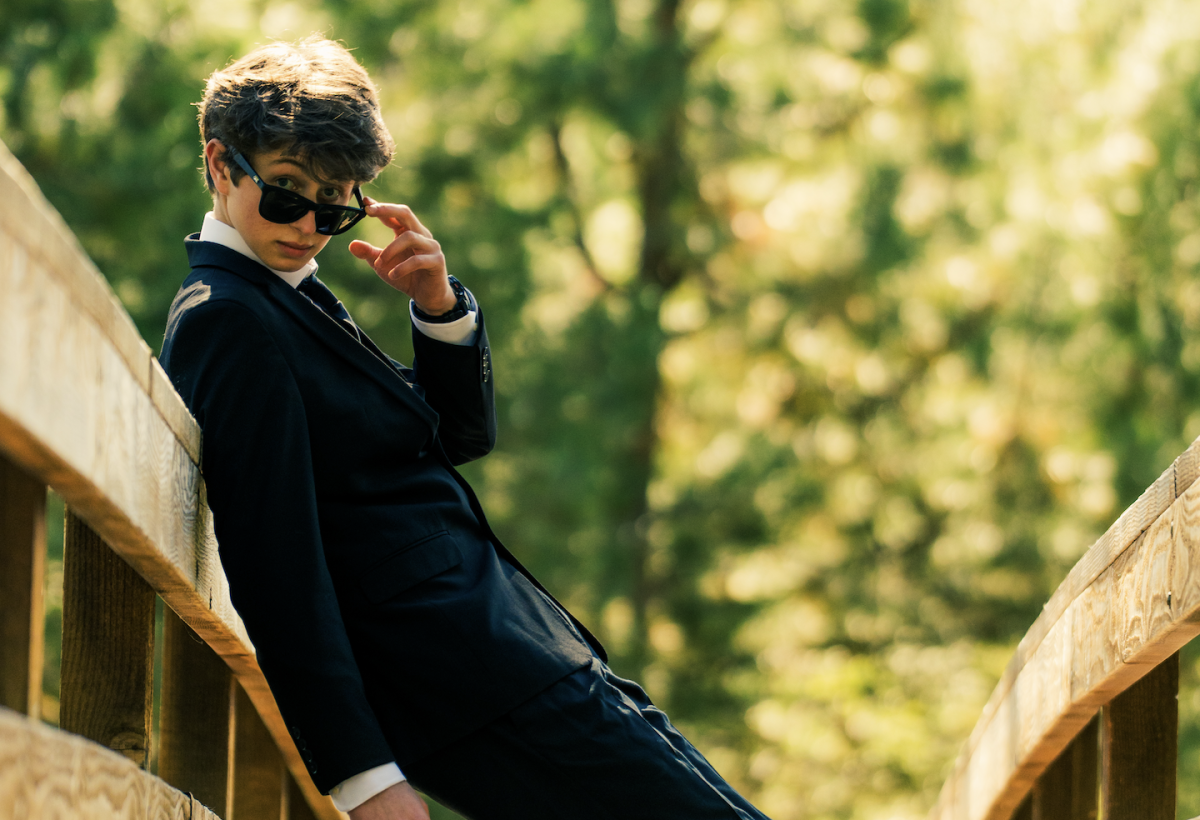
Sophomore Wesley Cottrell advises fishermen “look for deep slow moving current this time of year.” Since these trout no longer have the energy to swim around in fast water eating tons of bugs, you can expect them to be in water slower than walking speed. But don’t just fish any slow water, try to look for slow pockets that have oxygenated water flowing in from the top. Sophomore Wilhelm Jamieson was very adamant about the importance of finding “well oxygenated water and tail outs.”
In these waters you can mainly expect to be throwing nymphs and sometimes streamers. Most fish aren’t willing to come up to the surface to smack a dry fly like spring and summer. In our local waters, small nymphs from size 14 to 24 are typical for catching fish on. Cottell recommended “zebra midges and Duracells size 22 to 18.”
Another strategy for those looking for a challenge is throwing streamers, regularly meaning minnow and baitfish imitations. Jamieson, an avid fly fisherman is excellent at this method, he loves to toss “Big dirty stuff, streamers.” Streamers are a very different style of fishing than nymphing, streamers are regularly swung through the current or stripped in short bursts through the water, imitating injured fish ready to be swallowed by a huge trout. This strategy can be very effective with huge fish, but may take lots of time on the water to get truly rewarded. Jamieson personally recommended “the circus peanut, white in size two.”
But, where should you go? Luckily, we have many rivers around us that can be excellent in winter with the right patience, patterns, and presentation.
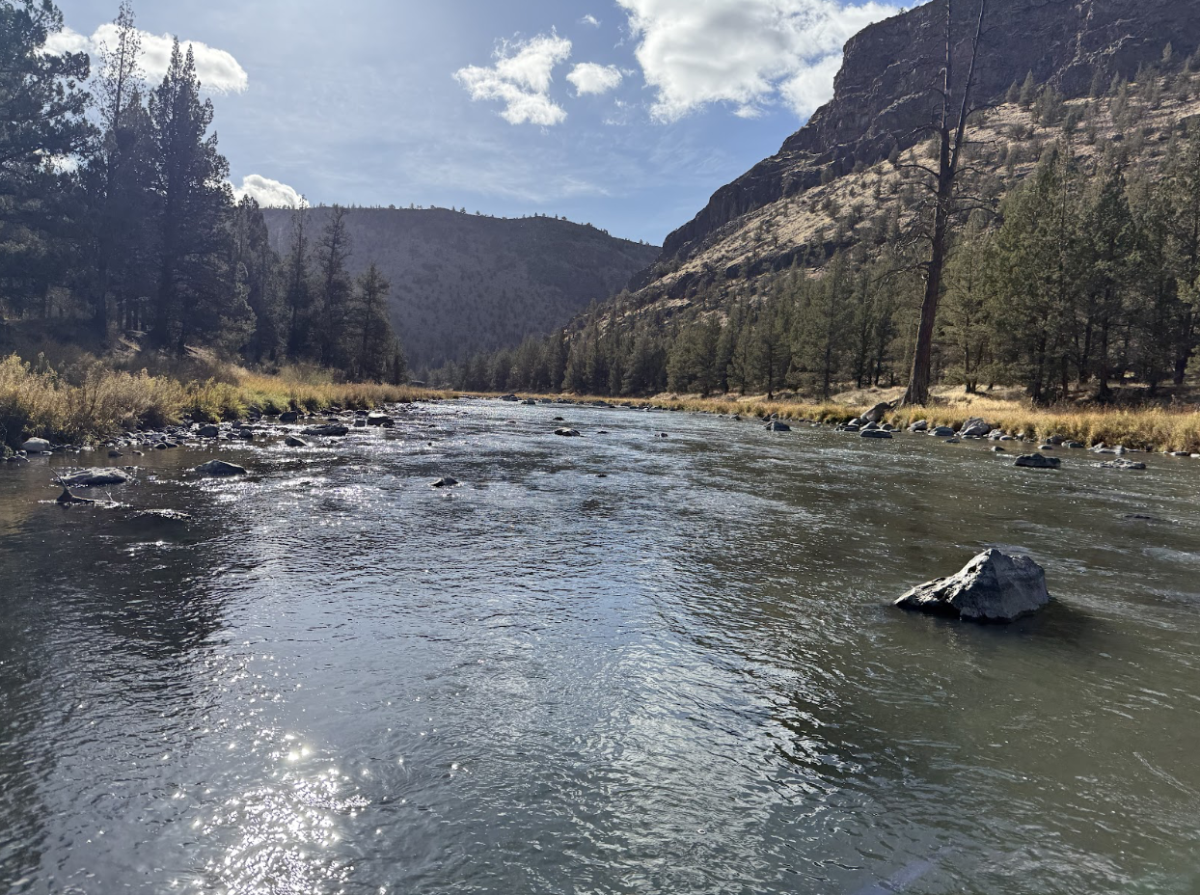
The Crooked River is amazing, if you’re more of a beginner the Crooked River is a perfect stretch of water at the right time of year. Currently, the flows at the crooked are steady for winter at around 105 cfs. CFS meaning cubic feet per second, this is the amount of water that is flowing in the river, measured at the dam below Prineville Reservoir. Crooked River has tons of rainbows all throughout the river, fish small nymphs like size 18 to 20 Spanish bullets and other perdigons. Very small 20 plus two bit hookers and midges can be excellent nymphs to tie below a perdigon. Throw these under an indicator and keep an eye out for rising fish in case of a good midge hatch, and the crooked river may just reward you with some amazing winter rainbow trout fishing.
Deschutes River is another great option, it goes right though a bend and is a very loveable river once you understand it, however, Upper Deschutes is closed until May 22. The middle Deschutes are open and still very fishy. The Wickup dam is flowing around 110 cfs, which is extremely low, but not very shocking for winter. Below Wickiup is considered Upper Deschutes so you must fish between below Benham falls to Lake Billy Chinook. The flows of Wickiup decide the water level all the way to the middle of the bend. Fishing above the rearview park dam is gonna be tricky because of the little water pushing through, you’ll still be looking for those oxygenated flowing water that hits slow pockets. Below the dam, the water is rushing and very high. Above it, fish more natural patterns like stone flies and attractors like hares ear nymphs or Duracells. Below the rearview park dam is a little different, for many miles before stuff starts to calm down, the water is quite discolored and dirty because of the high flows. Use bright attractors like blowtorch nymphs, and bright colored perdigons. Besides nymphs, the entire middle Deschutes is definitely the place to throw big streamers. There’s more big browns in Deschutes than most flyfishers expect.
If you are choosing to go out in winter, make sure to remember that the fishing will be slow. But that doesn’t mean it’s bad, you can still hook into just as big of fish as any time of the year, and still catch a lot if you work the water right. Don’t let the weather keep you from growing your fishing skills this winter.