






















A photo from two summers ago showed up on my screen last week. It wasn’t a special moment to me in any way, just the birds-eye view of a cutting board on my counter filled with seven or eight halved avocados. There was no meaning or memory attached that was worth saving, but it mattered to me enough to stop and capture it, and it has now resurfaced.
This has become familiar: A past fragment of my life appears and sparks a shallow sense of nostalgia. As apps recirculate images automatically, a small, unremarkable keepsake of our lives resurfaces, easily triggering a similar emotion to the actual experience. The feeling is a sense of recognition or longing, but it’s also faint, in a manufactured form.
The rise of this micro-nostalgia has grown from the constant habit of documenting regular moments of everyday life, prior to us even processing them.
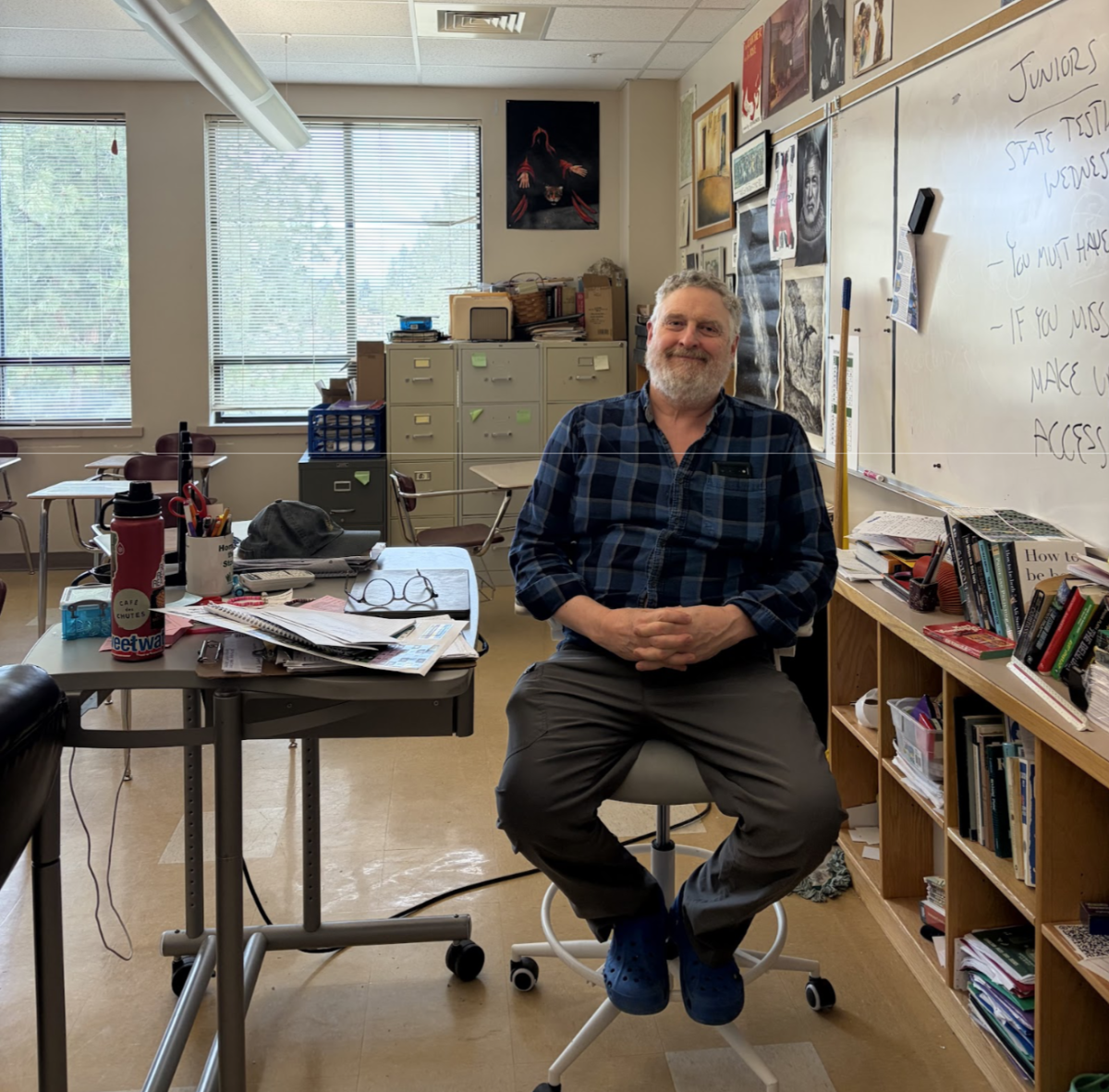
“I get these pictures that pop up, and I’m like, oh right… I forgot that happened,” said junior Edie Wright. “I don’t even always remember the day. I just remember taking the picture.”
Aided by technology, many of us chronically document our lives. This new default setting is making us record everything, even the most mundane moments that would have probably survived better if untouched. Still, photos aren’t realistic portrayals of the past. Instead, they filter out all the raw emotions we were experiencing at the time. Whether that’s discomfort and stress or euphoric happiness, it’s nostalgia without context, a single frame without the circumstances that made it.
Photo dumps and stories on social media work in a similar manner, various attempts to preserve anything we can hold on to. Most of us don’t create these posts to express a purposeful moment, but rather because it’s expected, and an easy way to anchor ourselves to the present. Teens today experience a pressure to post, as if without a shared proof of the moment, the experience never took place.
“Everybody posts everything,” said Wright. “It definitely feels normal to [post], even if nothing really actually happened.”
Due to this continual documentation, there is almost uncontrollable access to how far back we can scroll through our past selves. Entire seasons and phases of our lives are sorted into grids, allowing these moments to become special just because they were saved, not because they’ve lasted in our memories.
This ease alters the way our minds process experiences. As opposed to traditional sensory triggers, like seeing a Christmas ornament from your childhood, or smelling the scent of your best friend’s laundry detergent, a hit of nostalgia is now readily available, causing us to remember only because our phones won’t let us forget.
Still, nostalgia does maintain a positive impact. A coping mechanism for many, it’s a tool that can easily transport and ground us into prior versions of ourselves.
The actions we take to commemorate our lives and combat forgetting are a product of chronic documentation. Although forgetting isn’t always a negative thing, sometimes memories fall away as a consequence of life not being stationary.
In her Substack essay, “The Problem With Micro Nostalgia,” writer Lydia Keating counteracts the need to preserve by explaining that forgotten moments are “the price of continued participation in life.” Keating notes that not all things we experience should be cemented in great detail, a sign that not everything is meant to be remembered.
What remains shouldn’t be determined by documentation, but instead by relevance. Next time the urge strikes to attempt to sustain an experience, drop the phone. Don’t take the photo. Some things can fade away without consequence. The photo of avocados is still saved on my phone, but the day itself is long gone in my memory.