



























Books are one of the earliest forms of entertainment, and they continue to shape lives today. There are many ways to celebrate the important legacy of reading, and National Young Readers Week is just one of many efforts to rekindle interest in a generation that’s turning away from books. Taking place from Nov. 10 to Nov. 14, National Young Readers Week aims to inspire young children to read and to build a lifelong love of stories.
Similarly, librarians at Summit High School are working to boost student reading by inviting classes to visit the library and choose new books, as well as using access time to encourage independent browsing.
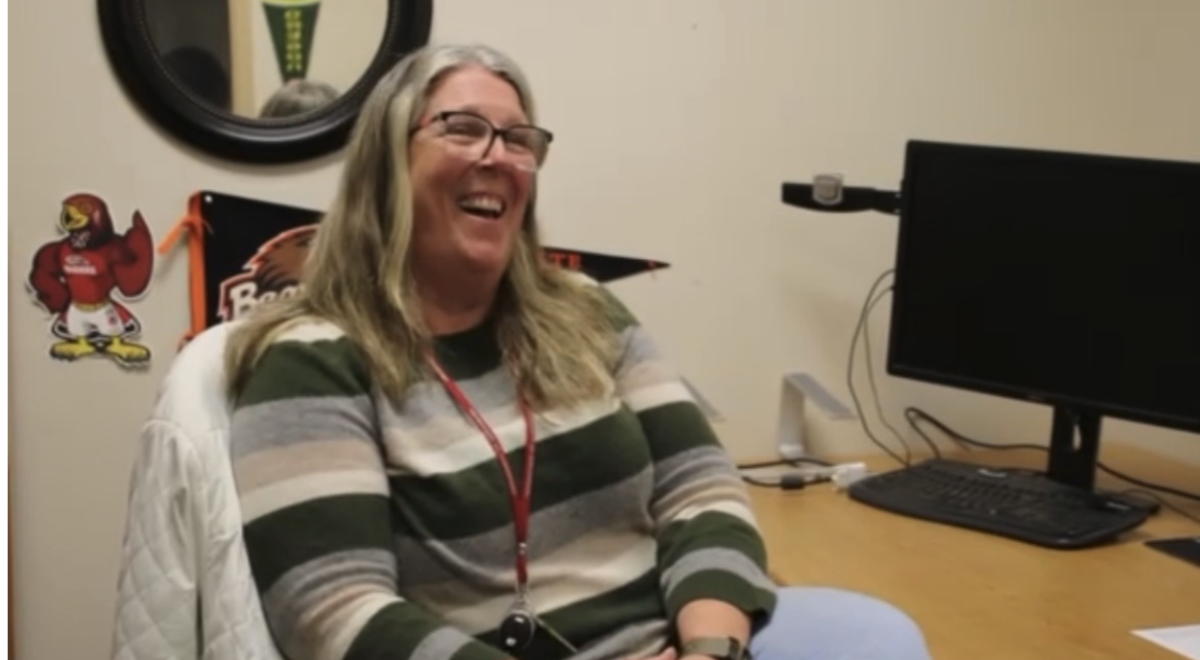
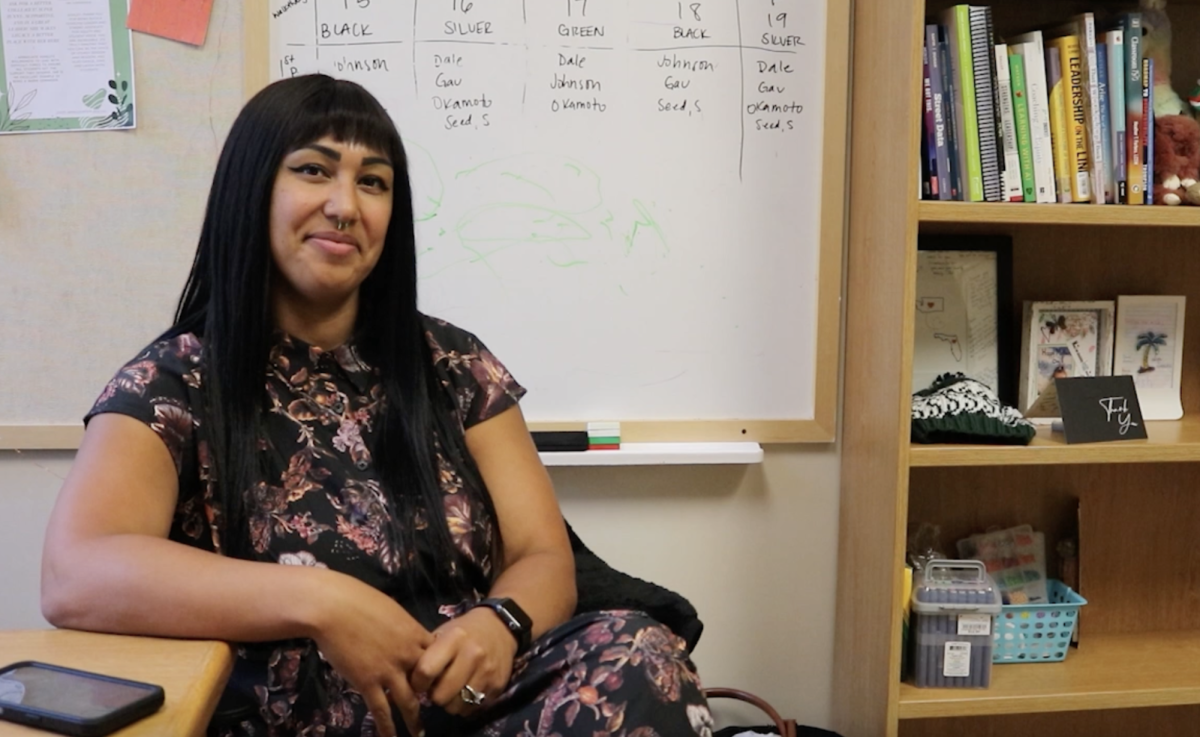
“My goal is for every kid to have a book in their backpack,” said Summit librarian Holly Dierdorff.
This goal is shared by many Summit students, including lifelong reader and junior Ayla Shuman, who picks up a new book nearly every week.
“You can sit down for a long time and really get into someone else’s world,” Shuman said, adding that fantasy is her favorite genre because of its world-building and storytelling..
Likewise, junior Hannah McGowan said the fantasy novel “Throne of Glass” is her favorite book, explaining that reading helps her “understand different perspectives on life.”
Not all students consider themselves strong readers, however. Summit junior Sam Hutter says he wishes he read more, believing it would “help [his] academic performance in language arts and history.” He hopes building a reading habit will give him a stronger grasp on his schoolwork.
Hutter isn’t wrong with this theory: Research studies consistently show that early and frequent reading strengthens cognitive development, language skills and emotional growth. Deirdorff explained that “reading helps you understand textbooks and brings different perspectives to everything you are learning.”
So why are fewer kids reading today? Some point to a decline in parents reading aloud to their children. According to The Guardian, only 41% of parents report reading to their child before age five, down from 64% in 2012. Shuman also believes stereotypes play a role.
“I think people think it’s nerdy or weird, and it’s totally not,” she explained. “It’s a really dumb stereotype.”
The idea that reading is “nerdy” is one factor driving the decline of reading among young adults. But as students and librarians explained, reading strengthens vocabulary, boosts academic performance and offers a meaningful escape.
Events like National Young Readers Week help challenge stereotypes by making reading normalized and worthy of celebration. Even simple actions like recommending books, creating inviting spaces and helping students find stories they genuinely like can make a difference.